
Published February 16, 2026
Florida vs Texas Cost of Living: Which No-Tax State Saves You More in 2026?


Deciding where to plant roots is one of the most significant financial moves you will ever make. For years, the debate has centered on two heavyweights of the American South. If you are currently weighing the Florida vs Texas cost of living, you are participating in a trend that has reshaped the country’s demographics. Both states offer the massive allure of zero state income tax, but as we move through 2026, the underlying expenses that make up a household budget have shifted significantly.
While the "sticker price" of a move might look similar on the surface, the reality is that these two states manage their finances very differently. One relies heavily on property taxes to fund its growth, while the other leans on consumption and tourism. To find out which state truly leaves more money in your pocket, we need to look past the headlines and dive into the specific data points that define the Florida vs Texas cost of living today.
The Tax Structure Reality Check
The primary reason most people start looking at the Florida vs Texas cost of living is the absence of a state income tax. In 2026, this remains a cornerstone of the financial appeal for both regions. However, the way these states collect revenue to maintain infrastructure and services is where the paths diverge. Texas is famous for its high property taxes, which can often surprise those coming from the West Coast or the Northeast.
In Florida, the tax burden is shifted slightly. While you still pay property taxes, they are generally lower than the rates found in major Texas metros like Austin or Dallas. Furthermore, Florida residents benefit from the Save Our Homes assessment limitation, which caps the annual increase in the assessed value of homesteaded properties. When you calculate the Florida vs Texas cost of living over a ten year period, these small percentages in property tax differences can add up to tens of thousands of dollars.
Housing Market Trends and Affordability
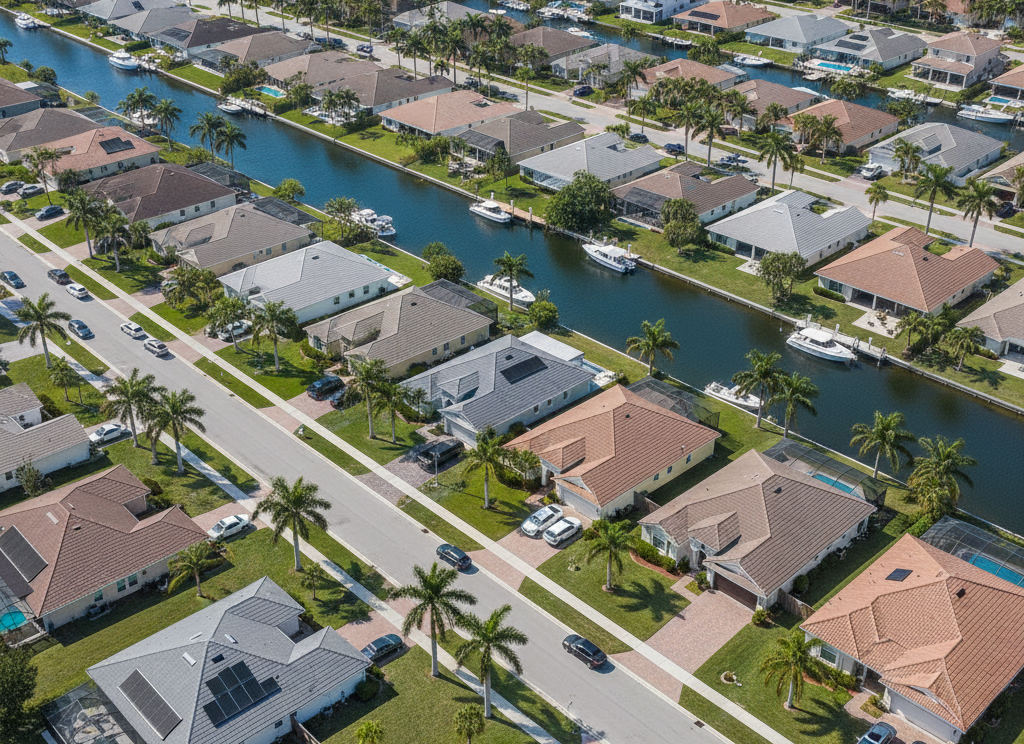
Housing remains the largest expense for any family. When analyzing the Florida vs Texas cost of living, you have to look at the median home prices in the areas where jobs are actually located. In 2026, Florida’s housing market has shown incredible resilience. While some predicted a major downturn, the continued influx of remote workers and retirees has kept demand high. Texas, meanwhile, has seen a massive surge in inventory, which has stabilized prices but hasn't necessarily made them "cheap" in the high growth corridors.
If you are looking to enter the market this year, the process of how you buy a property will look different in each state. Florida’s market is often characterized by its proximity to the coast, whereas Texas offers more sprawling suburban opportunities. However, the Florida vs Texas cost of living comparison often tilts in favor of Florida when you look at the long term appreciation of coastal and near coastal real estate, which historically holds value better during economic shifts.
Property Taxes vs Insurance Premiums
This is the area where the Florida vs Texas cost of living debate gets the most intense. In Texas, it is not uncommon to see property tax rates exceeding 2.5 percent of the home's value. This means a $500,000 home could carry an annual tax bill of $12,500. Florida’s property tax rates are often closer to 1 percent, but the state has faced challenges with homeowners insurance.
By 2026, the insurance market in Florida has begun to stabilize thanks to recent legislative reforms, but it remains a factor you must account for. When people ask about the Florida vs Texas cost of living, they often forget that while Florida insurance might be higher, the lower property tax bill often balances the scales. In many cases, the total "carrying cost" of a Florida home is actually lower than a similarly priced home in Texas because the massive tax savings in Florida more than cover the difference in insurance premiums.
Utility Costs and the Climate Factor

The climate plays a massive role in the Florida vs Texas cost of living through your monthly utility bills. Both states require heavy air conditioning for a large portion of the year. In 2026, energy prices have stabilized, but the geography of your home matters. Texas can experience extreme cold in the winter and extreme heat in the summer, leading to high bills in both seasons.
Florida’s climate is more consistent, with high humidity and heat in the summer but very mild winters. This means that while your cooling costs will be high, your heating costs are almost non-existent. When you look at the Florida vs Texas cost of living through a seasonal lens, Florida often wins on utility efficiency because the temperature swings are less dramatic, putting less strain on your home’s HVAC system and your wallet.
Transportation and Daily Commutes
Florida and Texas are both car dependent states, but the cost of keeping those cars on the road varies. Gas taxes in Florida are relatively moderate, and the state has invested heavily in toll roads to keep traffic moving. Texas also utilizes tolls extensively, particularly in the DFW and Houston areas. If you are trying to minimize the Florida vs Texas cost of living, your commute length will be the deciding factor.
Florida’s layout tends to be more compact in its urban centers compared to the massive sprawl of Texas cities. This often results in fewer miles driven per year. To understand how these logistical factors influence your bottom line, reviewing the latest Texas property tax transparency data can provide a sobering look at how much of your budget is consumed by local levies before you even start your car. These "hidden" savings are a crucial part of the Florida vs Texas cost of living that many movers overlook until they’ve lived in the state for a few years.
The Consumer Experience: Groceries and Services

Daily life involves more than just mortgages and taxes. When comparing the Florida vs Texas cost of living, you have to look at the price of a gallon of milk or a haircut. Because Florida is a massive tourism hub, the state collects a significant amount of revenue from sales tax paid by visitors. This helps keep the local tax burden lower for residents.
Texas also relies on sales tax, but without the same level of international tourism to subsidize the state budget, the cost of services can sometimes creep higher. In 2026, the Florida vs Texas cost of living for a typical family of four shows that while grocery prices are nearly identical, the sheer variety of local produce in Florida can lead to lower food costs if you shop seasonally.
Education and Quality of Life
For families, the Florida vs Texas cost of living must include the value of the education system. Both states have high performing districts and struggling ones. However, Florida has led the way in school choice initiatives, which can save parents a fortune in private school tuition by allowing state funding to follow the student. This is a massive financial "win" in the Florida vs Texas cost of living debate that isn't captured in a simple tax table.
Quality of life is subjective, but it has a price tag. If your idea of a weekend involves the beach, Florida offers that for free or for the cost of a parking pass. If you prefer the rugged hill country, Texas is your spot. However, from a strictly financial perspective, the amenities in Florida are often more accessible to the average resident without requiring expensive club memberships or long travel times, further lowering the effective Florida vs Texas cost of living.
Understanding Your Home's Potential
Before making a move of this magnitude, many homeowners need to know exactly what their current assets are worth. Knowing your home value is the first step in determining how much equity you can carry into your new life. If you are selling in a high tax state to move to a no tax state, the timing of your sale and purchase is critical.
The Florida vs Texas cost of living comparison changes depending on how much equity you are bringing to the table. If you are buying a home cash, Florida is almost always the winner because you avoid the high property tax "rent" that you essentially pay to the state of Texas every year. If you are financing a large portion of the home, the math becomes tighter, but Florida’s legislative environment in 2026 has made it an increasingly attractive haven for those looking to protect their wealth.
The Impact of Remote Work on State Selection
The rise of the digital nomad and the permanent remote worker has changed the Florida vs Texas cost of living calculation. When you can take your salary anywhere, the state with the lowest total "overhead" wins. In 2026, Florida has emerged as a top destination for tech professionals who are fleeing the high costs of Silicon Valley but don't want the extreme weather fluctuations of the Texas plains.
The Florida vs Texas cost of living for a remote worker often comes down to the quality of the home office. Florida’s robust infrastructure and high speed fiber availability in almost every new community give it a slight edge. When you are earning a high salary, the 4 percent to 5 percent you save by not paying state income tax is massive, but the 1 percent you save on property taxes by choosing Florida over Texas is the "secret sauce" that many wealthy relocators are now discovering.
Reaching Out to Local Experts
At the end of the day, no blog post can replace the nuanced advice of a professional who lives and breathes the local market. If you are serious about navigating the Florida vs Texas cost of living, you need to speak with someone who understands the street-by-street differences in these communities. Connecting with a knowledgeable real estate agent can provide the clarity you need to make a move that makes financial sense for your specific situation.
They can help you run the "real numbers" on what your specific tax bill and insurance premium will look like in a neighborhood like Coral Gables versus a suburb in Austin. This localized data is what truly determines the Florida vs Texas cost of living for your family.
FAQs
Does Florida or Texas have a lower overall tax burden?
While both have no state income tax, Florida generally has a lower overall tax burden for homeowners because property tax rates in Texas are among the highest in the country.
How does the Florida vs Texas cost of living affect retirees?
Retirees often prefer Florida due to the homestead exemptions and the fact that social security and pension income are not taxed at the state level, combined with lower property taxes than Texas.
Is homeowners insurance really that much higher in Florida?
It can be, particularly in coastal areas. However, for inland Florida properties, the insurance is often comparable to Texas, where hail and wind damage also drive up premiums.
Which state has better job growth in 2026?
Both states are leading the nation in job growth, but Florida has seen a more diverse influx of industries ranging from aerospace and tech to healthcare and finance.
Are groceries more expensive in Florida?
The Florida vs Texas cost of living for groceries is very similar. Florida has a slight advantage in fresh produce availability, while Texas often has slightly lower meat prices due to the local cattle industry.
Conclusion
Navigating the Florida vs Texas cost of living requires a careful look at your personal priorities and financial structure. If you are a high earner looking to shield your income while maintaining a low property tax bill, Florida offers a compelling case that is hard to beat in 2026. The combination of no state income tax, a stabilizing insurance market, and a high quality of life makes the Sunshine State a premier choice for those moving from high tax jurisdictions. Texas remains a powerful contender, but when you look at the total cost of ownership and the daily expenses of life, Florida continues to provide a unique value proposition that allows families to thrive and investors to grow their wealth.


