
Published March 9, 2026
How to Buy a Home in Florida: Steps, Costs, and Tips

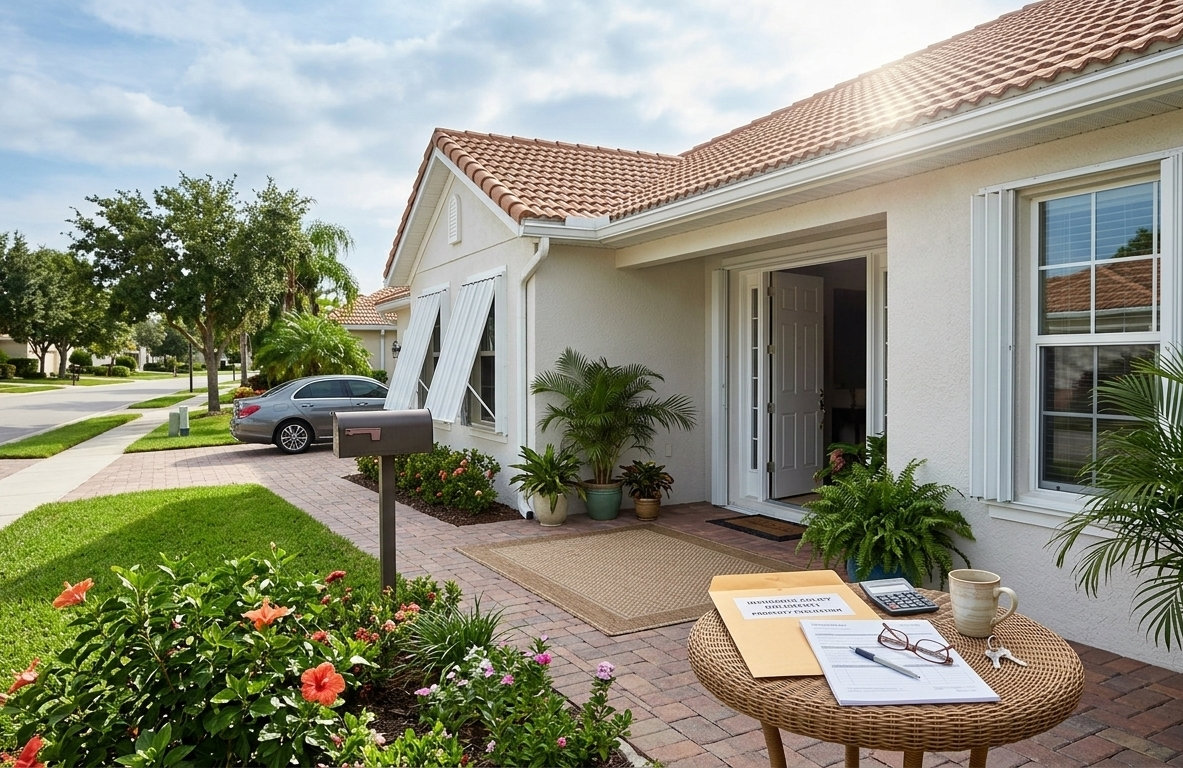
The decision to move to the Sunshine State is often driven by visions of coastal sunrises, vibrant communities, and a lifestyle that feels like a perpetual vacation. However, translating that dream into a deed requires a clear understanding of the local real estate landscape. If you are looking to buy a home in Florida, you are entering one of the most dynamic and diverse markets in the country. From the bustling metropolitan energy of Miami to the quiet, moss-draped streets of the northern panhandle, the process involves specific legal, financial, and environmental considerations that are unique to this region.
Navigating this journey successfully depends on your preparation. Florida is a state of micro-markets, where two neighborhoods only ten miles apart can have vastly different price points and insurance requirements. By following a structured approach, you can ensure that your investment is sound and that your transition to Florida living is as smooth as possible. In this guide, we will break down the essential steps, hidden costs, and expert tips you need to secure your piece of paradise.
Determining Your Budget and Financial Readiness
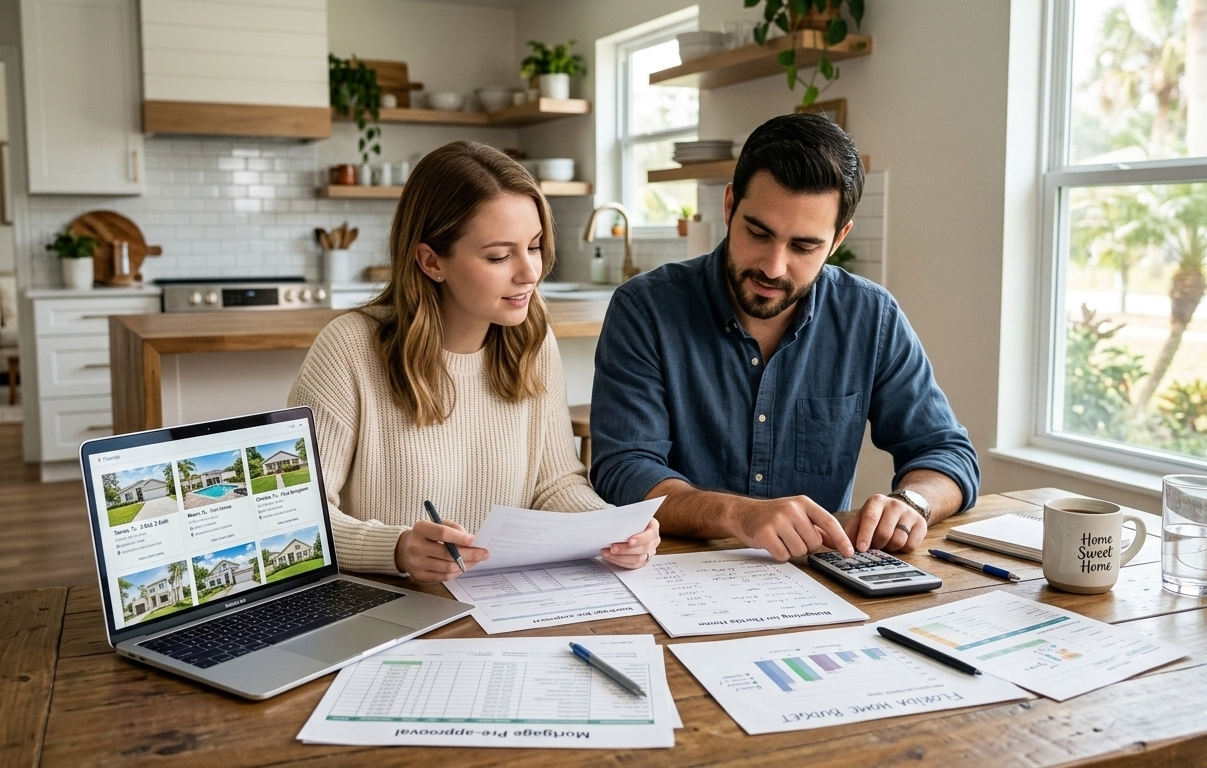
The first and most critical step when you decide to buy a home in Florida is establishing a realistic budget. Florida’s housing market has seen significant shifts over the last few years, with demand remaining high in many coastal and suburban areas. For a clear picture of current property values and inventory shifts, checking the 2026 Florida housing market report will help you align your expectations with the latest statewide pricing data. Start by getting a comprehensive view of your finances, including your credit score, existing debt-to-income ratio, and available liquid assets for a down payment.
While the national standard for a down payment is often cited as twenty percent, many Florida buyers utilize programs that require much less. However, keep in mind that a larger down payment can help you secure a lower interest rate and potentially eliminate the need for Private Mortgage Insurance (PMI). Beyond the purchase price, you must also account for recurring costs such as property taxes, which can vary significantly by county, and homeowners association (HOA) fees, which are very common in Florida’s planned communities.
Securing a Mortgage Pre-Approval
In a competitive market, showing up with a mortgage pre-approval is non-negotiable. When you buy a home in Florida, sellers want to know that you are a serious and capable buyer. A pre-approval letter from a reputable lender gives you a clear ceiling for your search and strengthens your position during negotiations.
Florida offers various mortgage products, including conventional loans, FHA loans for those with lower credit scores, and VA loans for the state’s large veteran population. It is often beneficial to work with a local lender who understands the nuances of Florida’s insurance and tax requirements. They can provide a more accurate estimate of your "all-in" monthly payment, ensuring you don't fall in love with a property that is financially out of reach once all the extras are added up.
Identifying the Right Location
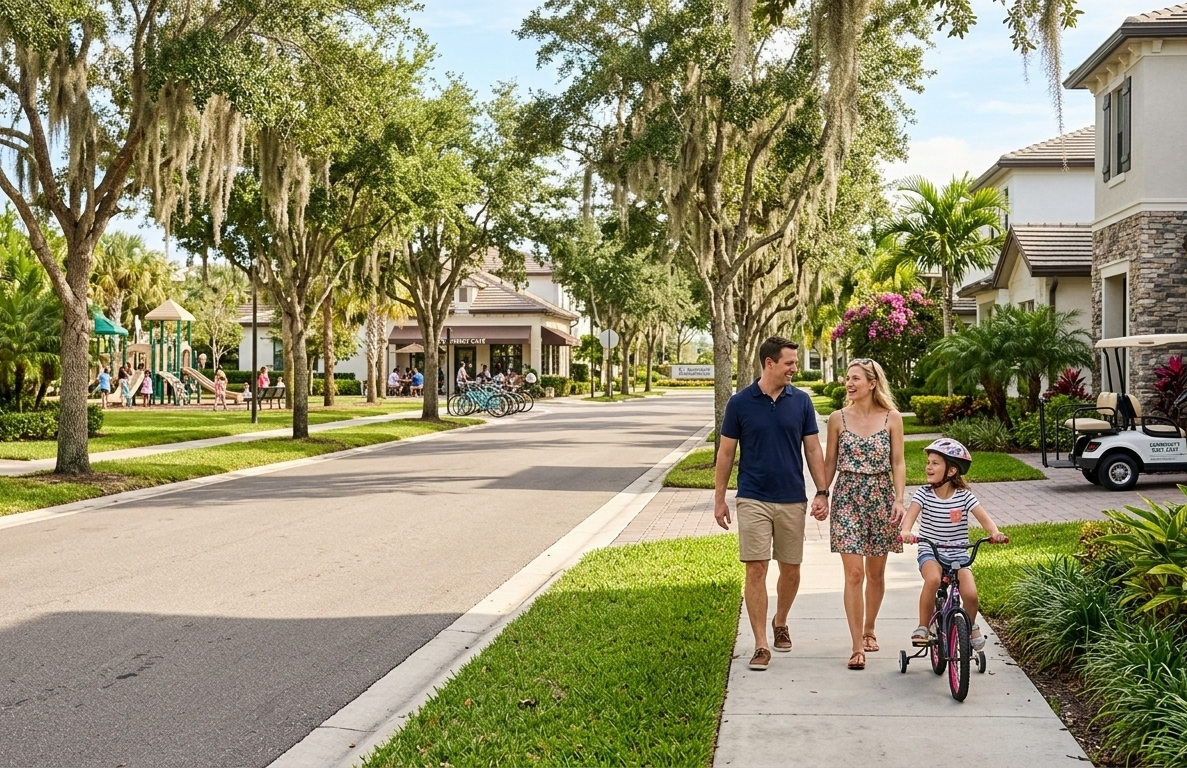
Florida is not a monolith; the lifestyle in Naples is worlds away from the lifestyle in Orlando or Jacksonville. Before you buy a home in Florida, spend time researching different regions to find the one that aligns with your professional and personal goals. Consider factors such as proximity to work, the quality of local school districts, and access to the amenities that matter most to you, whether that is world-class golf courses, fishing piers, or high-end shopping.
If you are moving from out of state, it is often helpful to explore the best places to live in Florida for families to narrow down neighborhoods that offer the right balance of safety, community events, and long-term value. Some areas are better suited for retirees, while others are experiencing a massive influx of young professionals and tech workers. Knowing the "vibe" of a city before you commit to a viewing will save you countless hours of driving.
Assembling Your Real Estate Team
You should not navigate this process alone. A local expert is your greatest asset when you set out to buy a home in Florida. A buyer's agent does more than just open doors; they provide historical data on property values, offer insights into future local developments, and act as your advocate during the high-stakes negotiation phase.
A skilled agent will help you understand the specific risks associated with certain properties, such as flood zones or older roof lifespans, which are critical in the Florida market. If you are looking for a dedicated professional to guide your search, connecting with a real estate agent in Florida who has deep roots in the community can provide a significant advantage. They often have access to pocket listings and off-market opportunities that you won't find on the major national search portals.
The Home Search and Viewing Process
Once your finances are in order and your team is assembled, the excitement of the search begins. When you buy a home in Florida, it is easy to get distracted by beautiful pools and palm trees, but it is vital to look at the "bones" of the property. Florida homes face unique environmental stresses, including high humidity and intense sun.
Pay close attention to the age of the HVAC system and the condition of the roof. In many parts of Florida, if a roof is older than fifteen years, it may be difficult or very expensive to obtain homeowners insurance. Ask for the "Four Point Inspection" or "Wind Mitigation" reports if the seller has them available. These documents provide a snapshot of the home’s vital systems and can lead to significant discounts on your insurance premiums.
Understanding Florida-Specific Costs
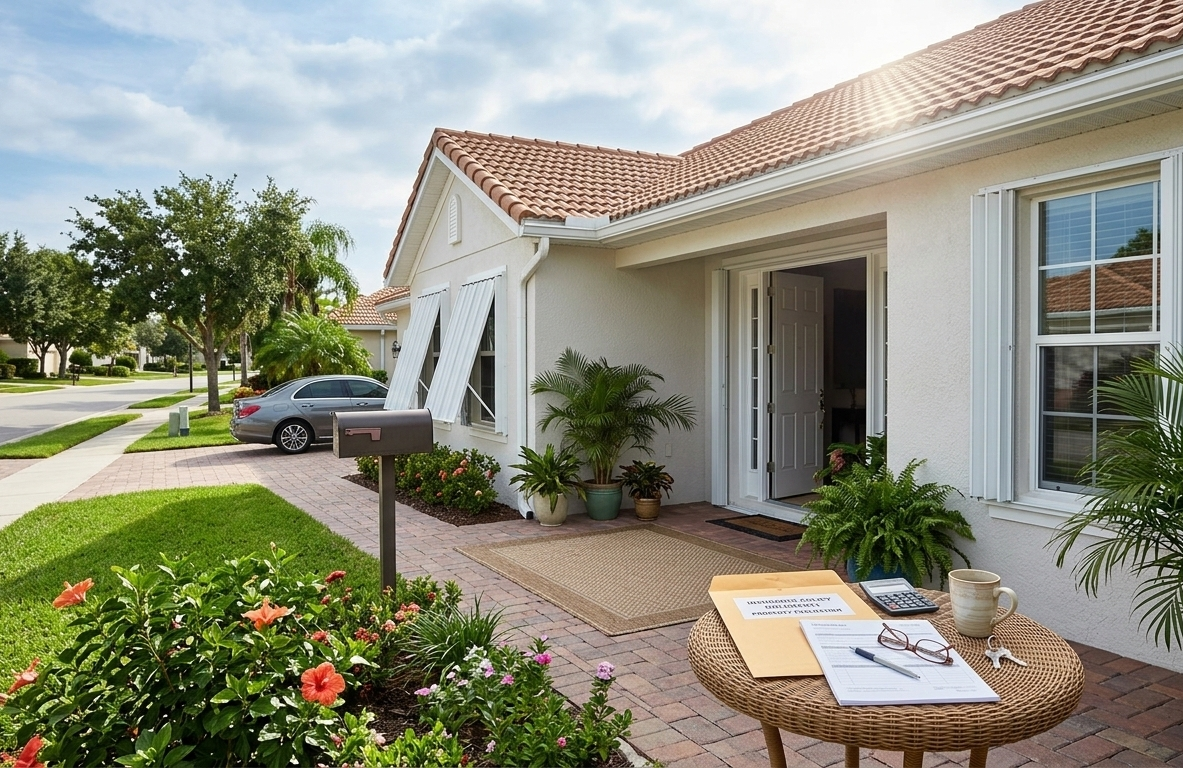
The "sticker price" of a home is only one part of the equation. When you buy a home in Florida, you must be prepared for the following specific expenses:
Homeowners Insurance: This is a significant factor in Florida. Rates are influenced by the home’s distance from the coast, the age of the roof, and the presence of hurricane shutters or impact-resistant windows.
Flood Insurance: Even if your home is not in a high-risk flood zone, many experts recommend carrying a policy. Most standard homeowners policies do not cover rising water damage.
Property Taxes: Florida has a "Save Our Homes" cap that limits the annual increase in assessed value for primary residences, but when a property sells, the taxes are reassessed at the new purchase price. This can lead to a "tax shock" in the second year of ownership.
CDD Fees: In newer developments, you might see a Community Development District fee. This is a bond paid by homeowners to cover the infrastructure of the neighborhood, such as roads and utilities.
Making an Offer and Negotiating
When you find the perfect property, your agent will help you draft a competitive offer. To successfully buy a home in Florida, you need to strike a balance between a fair price and attractive terms. In a seller's market, this might mean offering a quick closing or a higher earnest money deposit.
Your offer will typically include contingencies for a home inspection, financing, and an appraisal. These are your safety nets. If the inspection reveals major structural issues or the home fails to appraise at the offer price, these contingencies allow you to renegotiate or walk away with your deposit intact. Listen to your agent's advice on the "Escalation Clause" if you find yourself in a multiple-offer situation.
The Home Inspection and Due Diligence
The inspection period is perhaps the most important phase when you buy a home in Florida. You want a licensed inspector to check for wood-destroying organisms (termites), mold, and the integrity of the sea wall if the property is on the water. Given Florida's climate, these issues can be common and expensive to remediate.
If the inspector finds issues, do not panic. Use the report as a tool for negotiation. You can ask the seller to make the repairs before closing or request a credit so you can handle the work yourself after you move in. This is also the time to verify the property's boundaries with a survey and ensure there are no outstanding liens or permit issues that could haunt you later.
Closing the Deal
After the inspection is passed and your loan receives final approval, you will head to the closing table. This is the final step to buy a home in Florida. You will review and sign a mountain of paperwork, including the Closing Disclosure, which outlines every cent involved in the transaction.
You will also pay your closing costs, which typically range from three to five percent of the purchase price. These cover title insurance, recording fees, and prepaid items like taxes and insurance. Once the funds are transferred and the deed is recorded, you will receive the keys to your new Florida home. It is a moment of great celebration, marking the start of your new life in one of the most beautiful states in the country.
Tips for a Successful Florida Purchase
To ensure you get the best deal when you buy a home in Florida, keep these expert tips in mind:
-
Shop for Insurance Early: Don't wait until the week of closing to get insurance quotes. The cost can vary by thousands of dollars depending on the carrier and the home's specific features.
-
Verify HOA Rules: If you have a boat, a large dog, or plans to paint your house a specific color, ensure the HOA allows it. Florida HOAs can be very strict.
-
Consider New Construction: With the high demand for existing homes, many buyers find better value and modern building standards by exploring homes for sale in Florida that are brand new. New homes often come with builder warranties and lower insurance rates.
-
Check the "Big Three": Roof, AC, and Water Heater. In Florida, these three systems work the hardest and are the most expensive to replace.
Long-Term Benefits of Florida Homeownership
Once you buy a home in Florida, you start to reap the long-term rewards beyond just the weather. Florida’s lack of state income tax allows you to keep more of your hard-earned money. Furthermore, the state’s consistent growth makes real estate a historically strong investment. As more people relocate for remote work and sunshine, the demand for housing continues to support property appreciation.
Whether you are enjoying a sunset on your lanai or taking a quick weekend trip to the Florida Keys, the quality of life here is unmatched. The process to buy a home in Florida may seem daunting at first, but with the right preparation and a local team of experts, it is a journey that ends with one of the most rewarding milestones of your life.
Conclusion
Buying a home is one of the most significant financial decisions you will ever make, and choosing to do so in Florida adds layers of excitement and complexity. By understanding the local market trends, preparing your finances, and working with experienced professionals, you can navigate the path to homeownership with confidence. From the initial search to the final signature at closing, every step is an investment in your future. Florida offers a lifestyle that truly has something for everyone, and owning a piece of this vibrant state is a dream well worth pursuing. Take your time, do your due diligence, and soon you will be calling the Sunshine State your home.
Frequently Asked Questions
How much are closing costs in Florida?
Closing costs typically range from 3% to 5% of the purchase price. These include title insurance, loan origination fees, government recording fees, and pre-paid items like your initial homeowners insurance premium and property tax escrow.
Is homeowners insurance expensive in Florida?
It can be higher than the national average due to the risk of tropical storms. However, costs vary wildly based on the home's age, construction type, and distance from the coast. Newer homes with wind-mitigation features often see much lower rates.
What is the "Homestead Exemption"?
If you buy a home in Florida and make it your permanent residence, you can apply for the Homestead Exemption. This can decrease the assessed value of your home by up to $50,000 for property tax purposes and caps the annual increase in assessed value at 3%.
Do I need a lawyer to buy a home in Florida?
Florida does not legally require an attorney for residential real estate transactions, as title companies handle most of the closing process. However, many buyers choose to hire one for complex deals or for extra peace of mind during contract review.
How long does it take to buy a home in Florida?
From the time an offer is accepted, a typical closing takes 30 to 45 days if you are using a mortgage. Cash transactions can often close in as little as two weeks.
What are CDD fees?
A Community Development District (CDD) fee is an additional charge found in some newer developments. It covers the cost of the community’s infrastructure and amenities. It is typically added to your annual property tax bill.


