
Published February 25, 2026
Living in Miami Florida: Pros, Cons & Cost of Living Guide

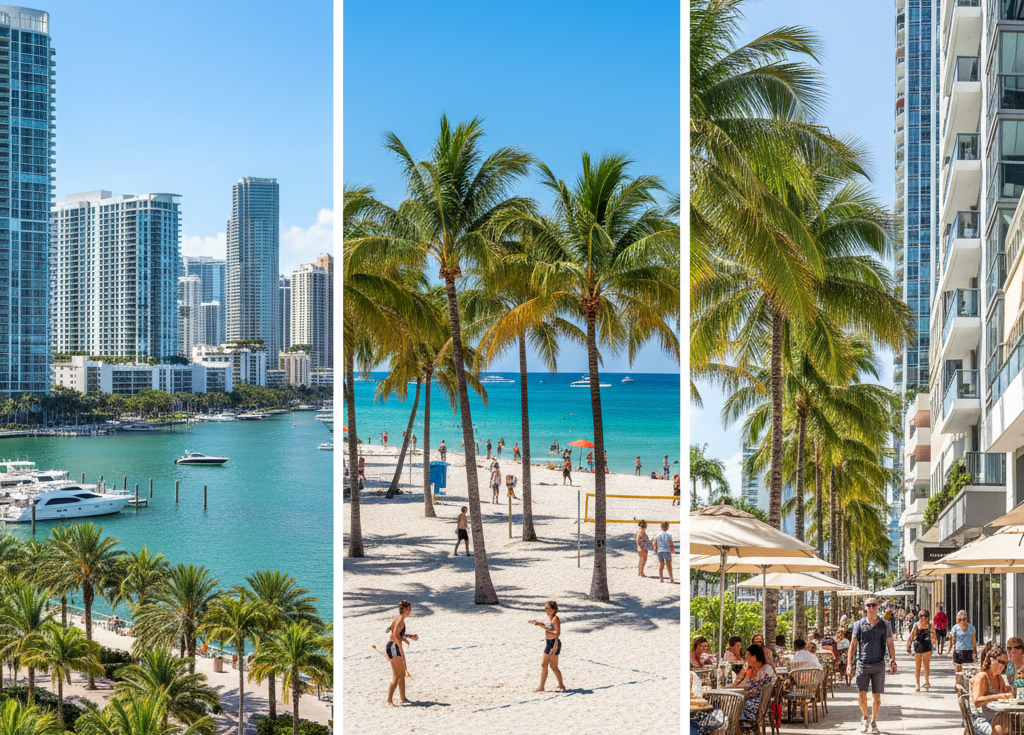
The allure of the Magic City has never been stronger than it is in 2026. As one of the most vibrant metropolises in the United States, the reality of living in Miami Florida is a blend of high-energy urbanism, turquoise waters, and a cultural melting pot that you simply cannot find anywhere else. Over the last few years, the city has transformed from a seasonal vacation destination into a global hub for finance, technology, and luxury real estate. This evolution has brought about significant changes in the lifestyle and financial requirements for those moving to the area.
Deciding to make South Florida your permanent home is a major life transition. It requires a deep dive into the nuances of various neighborhoods, the shifting economic landscape, and the unique climate considerations that define the region. While the postcard-perfect beaches are a major draw, daily life here involves navigating a complex housing market and an ever-evolving social scene. To truly understand if this city is the right fit for you, we need to break down the actual experience of living in Miami Florida from the perspective of a local resident.
The Lifestyle Appeal and Cultural Vibrancy
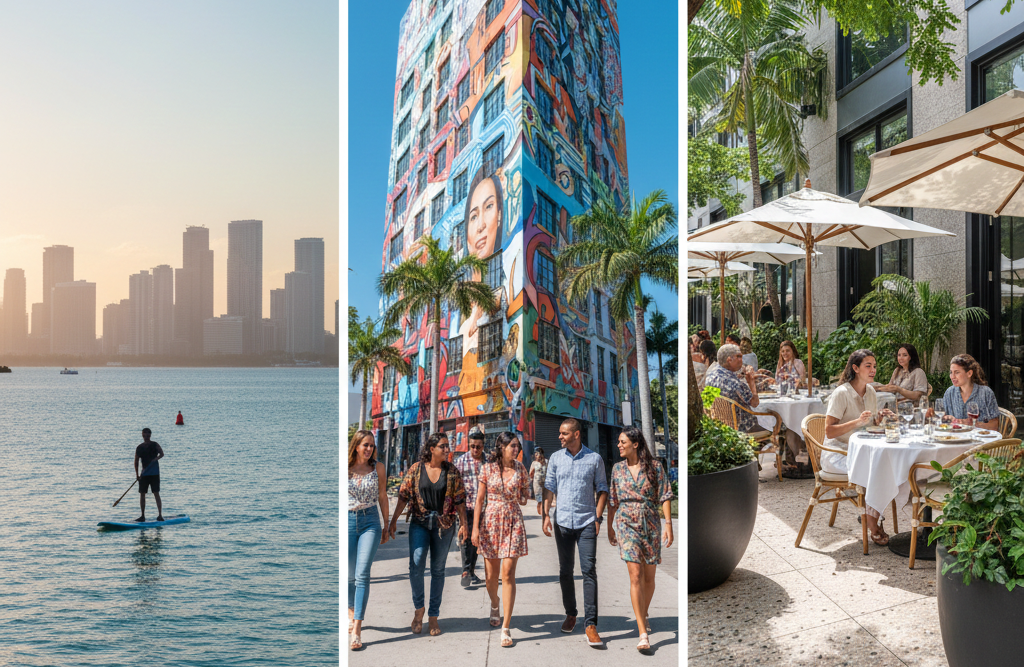
One of the greatest advantages of living in Miami Florida is the sheer diversity of experiences available at your doorstep. You can start your morning with a sunrise paddleboard session in Biscayne Bay, spend your afternoon exploring the world-class art galleries of Wynwood, and end your evening dining at a Michelin-starred restaurant in the Design District. The city operates on a rhythmic energy that is infectious, influenced heavily by Latin American and Caribbean cultures.
This cultural infusion impacts everything from the local language, where "Spanglish" is a common dialect, to the morning routine of grabbing a cafecito at a ventanita. For many, the social aspect of the city is the highlight of their experience. There is always a festival, a boat show, or a high-profile sporting event happening. However, this fast-paced lifestyle isn't for everyone. Some find the constant buzz a bit overwhelming and prefer the quieter, tree-lined streets of Coral Gables or the family-oriented suburbs of Pinecrest.
Analyzing the Real Cost of Living in Miami Florida
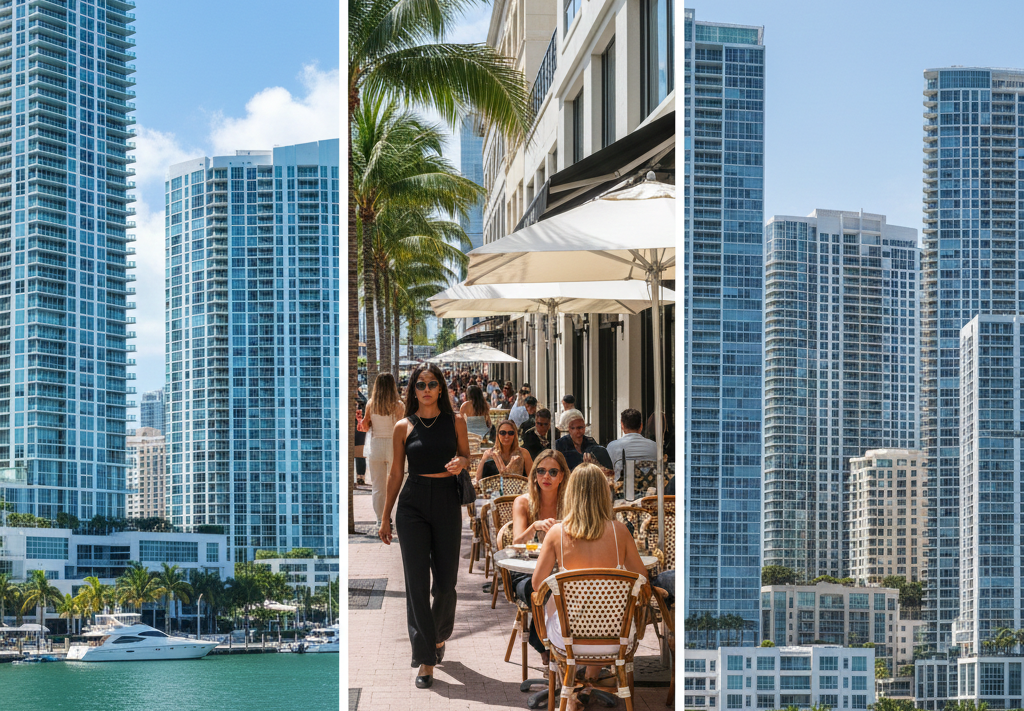
When people discuss the drawbacks of the region, the conversation almost always starts with finances. The cost of living in Miami Florida has seen a sharp upward trajectory recently. While Florida famously lacks a state income tax, which is a massive benefit for high earners and business owners, other expenses have risen to compensate. Housing is the largest piece of the financial puzzle, with both rental prices and home values reaching record highs as more wealth flows into the state.
Beyond housing, you have to account for insurance costs, which are significantly higher in Florida due to hurricane risks. Groceries, dining out, and entertainment in Miami also carry a premium price tag compared to other Florida cities like Orlando or Tampa. If you are planning a move, it is highly beneficial to work with a local expert who understands these micro-markets. For instance, consulting with a professional like Chase Farache can provide you with a clearer picture of which neighborhoods offer the best value for your specific budget and lifestyle needs.
The Housing Market: Renting vs. Buying
The decision to rent or buy is a pivotal moment for anyone considering living in Miami Florida. The rental market is incredibly competitive, particularly in high-demand areas like Brickell and Edgewater. Modern high-rises offer incredible amenities like rooftop pools, fitness centers, and 24-hour security, but they come at a steep monthly cost. For many, renting is a way to "test drive" the city before committing to a permanent purchase.
However, for those looking at long-term equity, the purchase market remains robust despite higher interest rates. Buying a home in Miami is seen by many as a stable investment in a world-class city with limited geographic room to grow. Because the city is bordered by the ocean to the east and the Everglades to the west, land is a finite resource. If you are curious about the current inventory and what your dollar can actually get you in today's market, you can explore the available options to buy real estate in Miami through curated local listings.
Pros of Making the Move
The weather is arguably the most famous pro of living in Miami Florida. While the summers are undoubtedly hot and humid, the rest of the year offers a "perpetual spring" that allows for a year-round outdoor lifestyle. You never have to shovel snow or deal with the gray, depressing winters of the Northeast. This climate encourages physical activity, from cycling on the Rickenbacker Causeway to playing beach volleyball in South Beach.
Economic opportunity is another massive plus. Miami has recently been dubbed the "Wall Street of the South" as major financial firms and tech companies have relocated their headquarters here. This has created a wealth of high-paying jobs and a networking environment that is rivaled only by New York or San Francisco. For entrepreneurs, the city offers a business-friendly environment with a global reach into Latin American markets.
Cons to Consider Before You Pack
No guide to living in Miami Florida would be honest without mentioning the challenges. Traffic is a significant pain point. The city’s infrastructure has struggled to keep up with the rapid population growth, leading to heavy congestion on major arteries like I-95 and the Palmetto Expressway. Public transportation, while improving with the Brightline and Metrorail, is still not comprehensive enough for most residents to live car-free outside of a few specific urban pockets.
In 2026, the strategy for living in Miami Florida has evolved into a year-round commitment to infrastructure and safety rather than a last-minute scramble. Beyond just the physical shutters, your hurricane readiness plan serves as a major factor in your property’s long-term marketability and insurance eligibility. According to the Miami-Dade County Severe Weather and Emergency Readiness Guide, residents should be prepared to be self-sufficient for at least 72 hours, though local experts in 2026 recommend a full two-week supply of non-perishable goods and water given the current logistics landscape. Modern readiness also includes digital preparedness, ensuring that all property records and insurance policies are backed up in secure cloud storage. By maintaining a high "readiness score" and documented mitigation efforts, you aren't just protecting your family; you are shielding yourself from the rising insurance premiums that have become a standard part of the cost of living in the region.
Climate change and sea-level rise are also long-term concerns that residents must navigate. The city is investing heavily in pumps and raised roads, but "sunny day flooding" is a reality in some low-lying areas during king tides. Additionally, the hurricane season from June to November requires a level of preparedness that newcomers might find stressful at first. Learning how to shutter your home and stock up on supplies is simply part of the seasonal rhythm of life in the subtropics.
Neighborhood Deep Dive: Finding Your Fit
Miami is not a monolithic city; it is a collection of distinct neighborhoods, each with its own personality. Brickell is the financial heart, perfect for those who want a high-density, walkable urban lifestyle. Coconut Grove offers a bohemian, lush, and laid-back vibe with some of the best private schools in the country. Key Biscayne feels like a secluded island paradise just minutes away from the city center, while Doral is a mecca for the Venezuelan community and golf enthusiasts.
For families, the suburban sprawl of Kendall or the master-planned community of Weston (technically in Broward but heavily integrated into the Miami economy) offers a more traditional pace of life. Each area has its own price point and market trends. Before making an offer, it is vital to know the true market worth of the properties you are viewing. You can quickly find your home value or check the comparables in a specific area to ensure you aren't overpaying in a fast-moving market.
The Education System and Schools
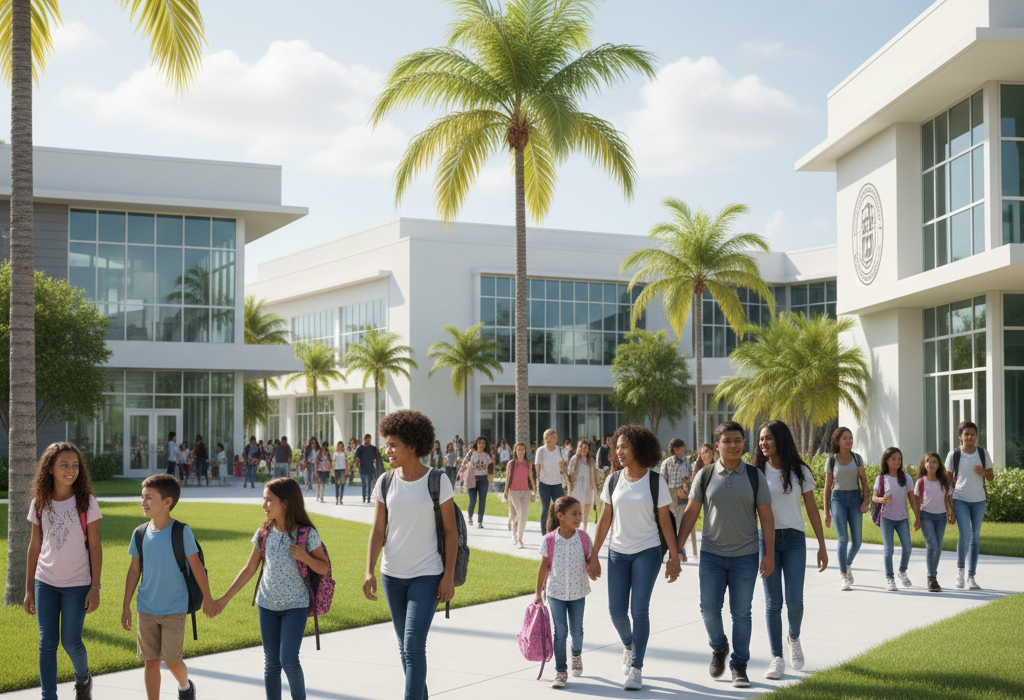
If you are moving with children, the quality of education will be a top priority. Miami-Dade County Public Schools is one of the largest districts in the country and offers several highly-rated magnet and charter programs. However, there is a very strong culture of private education in Miami. Many families move to specific zip codes just to be near elite preparatory schools.
Living in Miami Florida also means having access to major higher education institutions like the University of Miami and Florida International University. These schools contribute to the city’s intellectual capital and provide a steady stream of talent for the burgeoning local economy. Whether you choose public, private, or charter, the educational landscape is diverse, but it requires significant research and often early application deadlines to secure a spot in the top-tier institutions.
Employment and the Local Economy
The job market for someone living in Miami Florida has shifted from service and tourism-heavy to a more professionalized economy. The legal, medical, and financial sectors are booming. Tourism remains a massive pillar, of course, with the Port of Miami being the cruise capital of the world, but the "new Miami" is increasingly defined by fintech, venture capital, and international trade.
Remote work has also changed the game. A large percentage of residents are now "location independent," choosing to live in Miami for the lifestyle while working for companies based in other states. This has contributed to the rise of co-working spaces and a culture of digital nomadism. However, it is important to note that the local wages in some sectors have not always kept pace with the rising cost of housing, which can create a financial strain for those in middle-management or service roles.
Dining, Nightlife, and Social Scene
Miami is a city that loves to celebrate. The dining scene has exploded in quality over the last few years, moving away from "clubstaurants" toward serious culinary destinations. You can find everything from high-end sushi to authentic Nicaraguan fritangas. The nightlife is legendary, with world-famous clubs in South Beach and E11EVEN in Downtown, but there is also a sophisticated bar and lounge scene for those who prefer a more relaxed evening.
Socializing often revolves around the water. On any given weekend, the sandbars are crowded with boats, and the waterfront parks are filled with families barbecuing. The city also hosts major international events like Art Basel, the Miami Grand Prix (F1), and the Miami Open. When you are living in Miami Florida, your social calendar can be as full as you want it to be, with opportunities to mingle with celebrities and global influencers on a regular basis.
Health, Wellness, and Fitness
With a climate that permits outdoor activity 365 days a year, wellness is a major focus for residents. Miami is home to some of the most beautiful parks and outdoor fitness areas in the country. From the Underline, a linear park under the Metrorail, to the miles of beach boardwalks, there is always a place to run, skate, or walk.
The city also boasts world-class healthcare facilities, including the University of Miami Health System and Mount Sinai Medical Center. As the population ages and more families move in, the healthcare infrastructure continues to expand. Living in Miami Florida gives you access to some of the top specialists in the world, particularly in fields like cardiology and oncology, providing peace of mind for those concerned about medical care.
FAQs
What is a comfortable salary for living in Miami Florida?
While comfort is subjective, most financial experts suggest that an individual needs a salary of at least $85,000 to $100,000 to live comfortably in the urban core when factoring in rent, car expenses, and social activities. For families, this number can easily double depending on schooling and housing choices.
Is it possible to live in Miami without a car?
It is possible if you live and work in specific neighborhoods like Brickell, Downtown, or parts of South Beach. However, for the vast majority of residents, a car is necessary for grocery shopping, visiting friends in other areas, and commuting to work in the suburbs.
How do residents handle hurricane season?
Preparation is key. Long-term residents have hurricane shutters installed, keep a generator on hand, and maintain a "go-bag" with essentials. Most modern high-rises are built with impact-resistant glass that can withstand high-velocity winds, making them much safer than older structures.
Is there a lot of crime in Miami?
Like any major metropolitan area, Miami has its safe and less safe areas. Many of the popular residential neighborhoods like Coral Gables, Coconut Grove, and Aventura are considered very safe. It is always wise to research specific crime statistics for a street or building before moving.
How hot does it actually get in the summer?
Summer temperatures usually hover in the low 90s, but the humidity can make the "feels like" temperature exceed 100 degrees. Most residents plan their outdoor activities for early morning or late evening and spend the middle of the day in air-conditioned spaces.
Conclusion
Living in Miami Florida is an experience defined by contrast. It is a place where you can find extreme luxury and grit, high-speed business and "island time" relaxation, all within the same afternoon. While the challenges of traffic and a rising cost of living are real, the rewards of the weather, the economic opportunities, and the unparalleled cultural energy make it a top choice for people from all over the world. Whether you are drawn by the tax benefits, the ocean views, or the career prospects, Miami offers a lifestyle that is undeniably unique. By understanding the market, preparing for the climate, and choosing the right neighborhood, you can find your own version of paradise in the Magic City. It is a city that is constantly reinventing itself, and for those who choose to call it home, there is never a dull moment in South Florida.


