
Published February 12, 2026
Sell Your Home in Florida: A Step-by-Step Guide to a Faster Sale

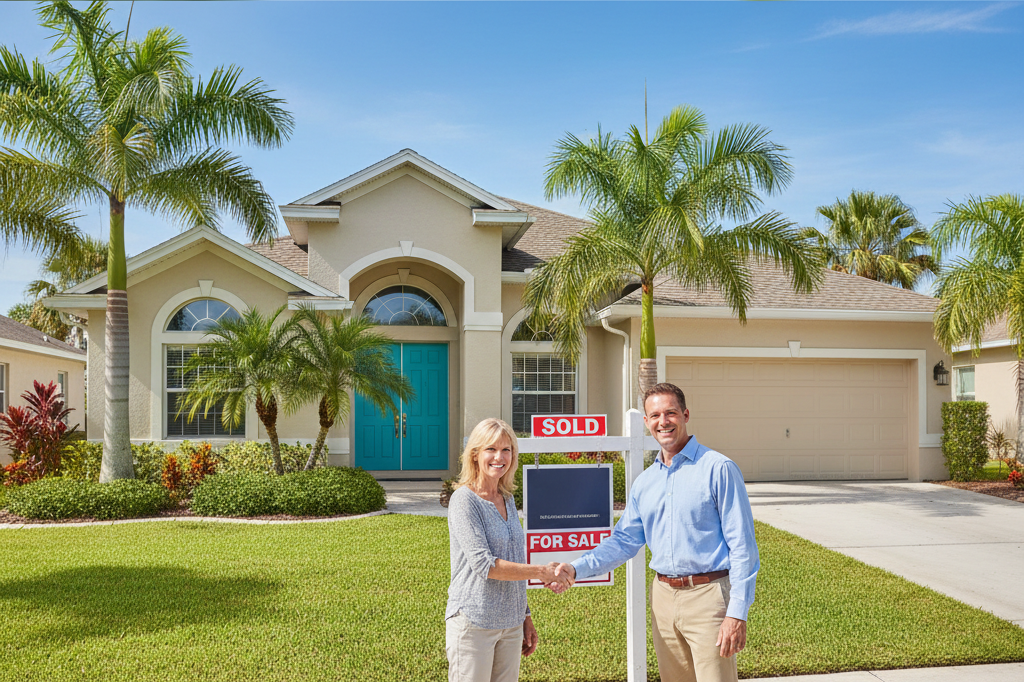
Selling a home can feel overwhelming, especially in a competitive and fast-moving market like Florida. Whether you are relocating, upgrading, downsizing, or selling an investment property, knowing how to sell your home in Florida the right way can save time, reduce stress, and maximize your final sale price.
Florida’s real estate market is unique. Buyer demand varies by region, seasonality plays a big role, and pricing strategies can make or break a deal. This step-by-step guide breaks down everything homeowners need to know, from preparing your property to closing day, so you can sell confidently and efficiently.
Understanding the Florida Real Estate Market Before You List
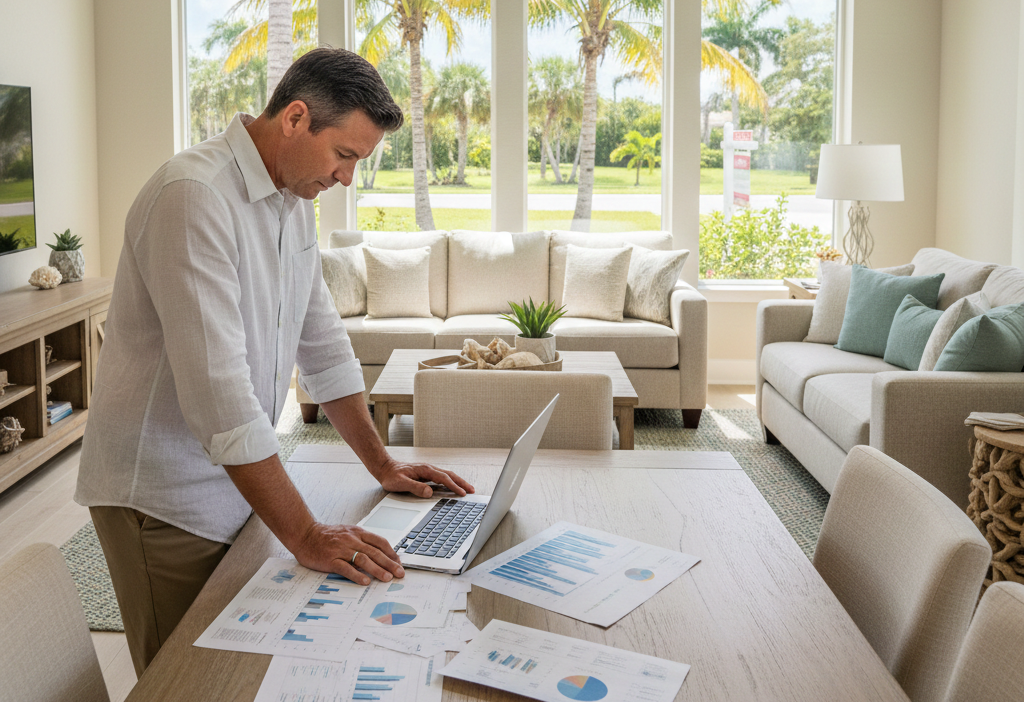
Before you put your home on the market, it is important to understand the local dynamics that influence how quickly properties sell. Florida attracts buyers from across the country due to its climate, tax advantages, and lifestyle appeal. However, conditions can differ greatly between cities, counties, and even neighborhoods.
Home values, buyer competition, and average days on market depend on factors such as inventory levels, interest rates, and migration trends. Sellers who take time to study the market often position their homes better and avoid costly pricing mistakes when they sell your home in Florida.
Step 1: Determine Your Home’s True Market Value
Pricing your home correctly from the start is one of the most critical steps in the selling process. Overpricing can cause your home to sit on the market, while underpricing may leave money on the table.
Start by reviewing recent comparable sales in your area and evaluating your home’s condition, upgrades, and location. Online tools can help you get a realistic starting point. Many homeowners use home value estimates to understand where their property stands before setting an asking price.
Accurate pricing builds momentum early and attracts serious buyers who are ready to move forward when you sell your home in Florida.
Step 2: Prepare Your Home for Maximum Buyer Appeal
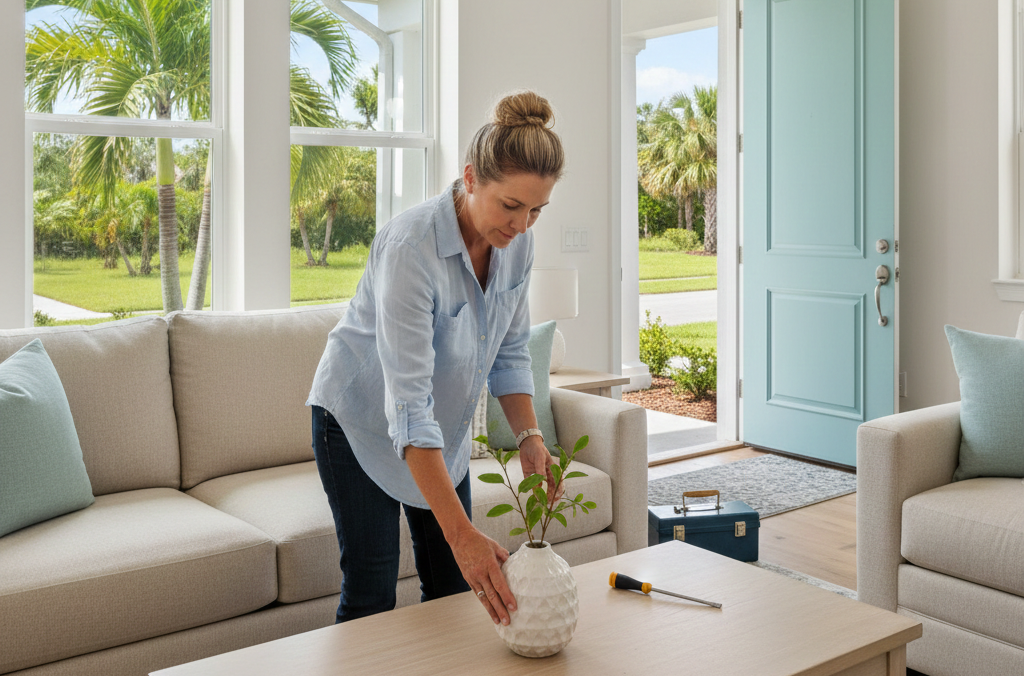
First impressions matter. Buyers often decide within minutes whether a home feels right, so preparation plays a major role in achieving a faster sale.
Declutter and Depersonalize
Remove excess furniture, personal photos, and items that make spaces feel crowded. A clean, neutral environment allows buyers to imagine themselves living there.
Make Strategic Repairs
Fix leaky faucets, replace broken fixtures, and address visible wear and tear. Small repairs signal that the home has been well maintained.
Boost Curb Appeal
Landscaping, fresh paint, and a clean entryway can dramatically improve how your home is perceived. A welcoming exterior sets the tone before buyers step inside.
Homes that are properly prepared often sell faster and closer to asking price, which is essential when you sell your home in Florida.
Step 3: Stage Your Home to Highlight Its Best Features
Staging is not about decorating. It is about showcasing space, flow, and functionality. Professional staging or thoughtful furniture placement can make rooms feel larger and brighter.
Focus on high impact areas like the living room, kitchen, and primary bedroom. Proper lighting, neutral colors, and minimal decor help buyers focus on the home itself rather than distractions.
Well staged homes often receive more showings, stronger offers, and shorter time on market when you sell your home in Florida.
Step 4: Work With a Local Florida Real Estate Expert
Selling a home involves pricing strategy, negotiation, marketing, and paperwork. Having a knowledgeable local agent can make a measurable difference in how quickly and smoothly your home sells.
An experienced Florida real estate professional understands neighborhood trends, buyer expectations, and effective marketing strategies. They also help manage showings, screen buyers, and negotiate terms that protect your interests.
The right agent becomes your advocate throughout the process, especially when you sell your home in Florida’s competitive environment.
Step 5: Create a Strategic Marketing Plan
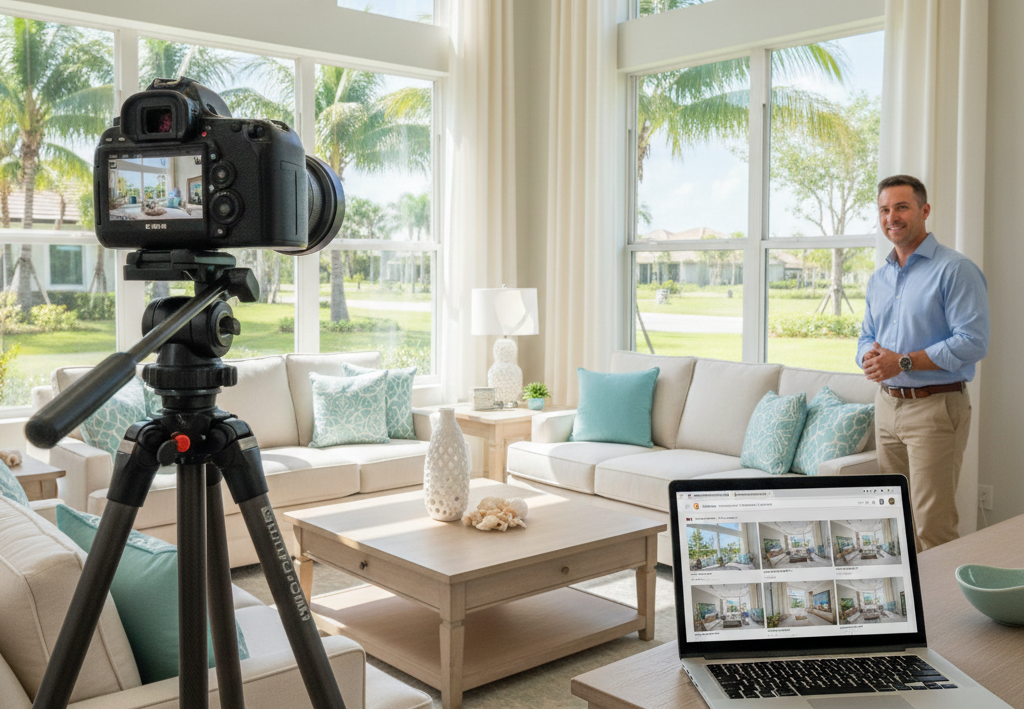
Marketing is more than just listing your home online. A comprehensive approach increases visibility and attracts qualified buyers.
Professional Photography
High quality photos are essential. Most buyers start their search online, and strong visuals drive showings.
Online Exposure
Your home should be visible across major real estate platforms, local listings, and agent networks.
Compelling Listing Descriptions
Clear, benefit-driven descriptions highlight what makes your home special and encourage buyers to schedule a tour.
A strong marketing plan helps your listing stand out and supports a faster sale when you sell your home in Florida.
Step 6: Manage Showings and Buyer Feedback
Once your home is listed, flexibility is key. Making your home easy to show increases the number of potential buyers who walk through the door.
Keep the home clean and ready for showings, even on short notice. After each showing, review feedback with your agent to identify patterns or concerns.
Adjustments to price, presentation, or marketing can be made early to keep interest high and avoid delays as you sell your home in Florida.
Step 7: Review Offers Carefully and Strategically
Receiving an offer is exciting, but the highest price is not always the best offer. Review all terms, including financing type, contingencies, closing timeline, and buyer qualifications.
Cash offers or buyers with strong pre-approvals often close faster. Your agent can help you evaluate risks and negotiate improvements to protect your goals.
Smart negotiation is essential to securing a smooth transaction when you sell your home in Florida.
Step 8: Navigate Inspections and Appraisals
After accepting an offer, the buyer will typically schedule inspections and an appraisal. This phase can determine whether the deal stays on track.
Be prepared for inspection requests and decide which repairs or credits make sense. Keeping communication open and reasonable helps prevent deals from falling apart.
Understanding this step reduces surprises and keeps momentum moving forward as you sell your home in Florida.
Step 9: Prepare for Closing Day
As closing approaches, final paperwork, title work, and lender approvals must be completed. Your agent will coordinate with all parties to ensure deadlines are met.
Before closing, complete any agreed upon repairs, finalize utility transfers, and prepare to vacate the property.
Sellers should also review IRS home sale tax rules to understand potential capital gains exclusions and reporting requirements before closing.
A smooth closing marks the successful completion of your goal to sell your home in Florida efficiently and confidently.
Common Mistakes That Can Delay a Sale
Many sellers unintentionally slow down their own sale. Avoid these common pitfalls:
-
Overpricing the home
-
Ignoring needed repairs
-
Limiting showing availability
-
Poor listing photos
-
Rejecting reasonable offers too quickly
Avoiding these mistakes increases your chances of a faster and more profitable transaction when you sell your home in Florida.
Timing Your Sale for the Best Results
Seasonality matters in Florida real estate. Spring and early summer often bring increased buyer activity, while slower months may require stronger pricing strategies.
Market conditions change, so timing your listing based on local trends and personal goals is more effective than relying on national averages.
Proper timing can make a noticeable difference when you sell your home in Florida.
How Online Tools Support Smarter Selling Decisions
Technology plays a major role in modern real estate transactions. From pricing analysis to buyer interest tracking, data driven tools help sellers stay informed.
Homeowners who understand market data and buyer behavior make better decisions throughout the process. This approach leads to fewer surprises and stronger outcomes when you sell your home in Florida.
FAQs
How long does it usually take to sell a home in Florida?
The timeline varies by location, price range, and market conditions, but well priced and prepared homes often sell within weeks.
Do I need to make renovations before selling?
Major renovations are not always necessary. Focus on repairs and updates that improve first impressions and functionality.
Can I sell my home while buying another?
Yes, many homeowners coordinate both transactions with proper planning and professional guidance.
What costs should sellers expect?
Common costs include agent commissions, closing fees, potential repairs, and prorated taxes.
Is staging really worth it?
Staging can significantly improve buyer perception and often leads to faster sales and stronger offers.
Conclusion
Selling a home does not have to be stressful or uncertain. With the right preparation, pricing, and professional support, homeowners can achieve a smooth and successful transaction. Understanding each step of the process allows you to stay in control and make confident decisions.
Whether you are selling due to lifestyle changes or financial goals, following a proven strategy helps you sell your home in Florida faster while maximizing value and minimizing complications.


