
Published February 23, 2026
Selling Property in Florida: A Complete Guide for Homeowners

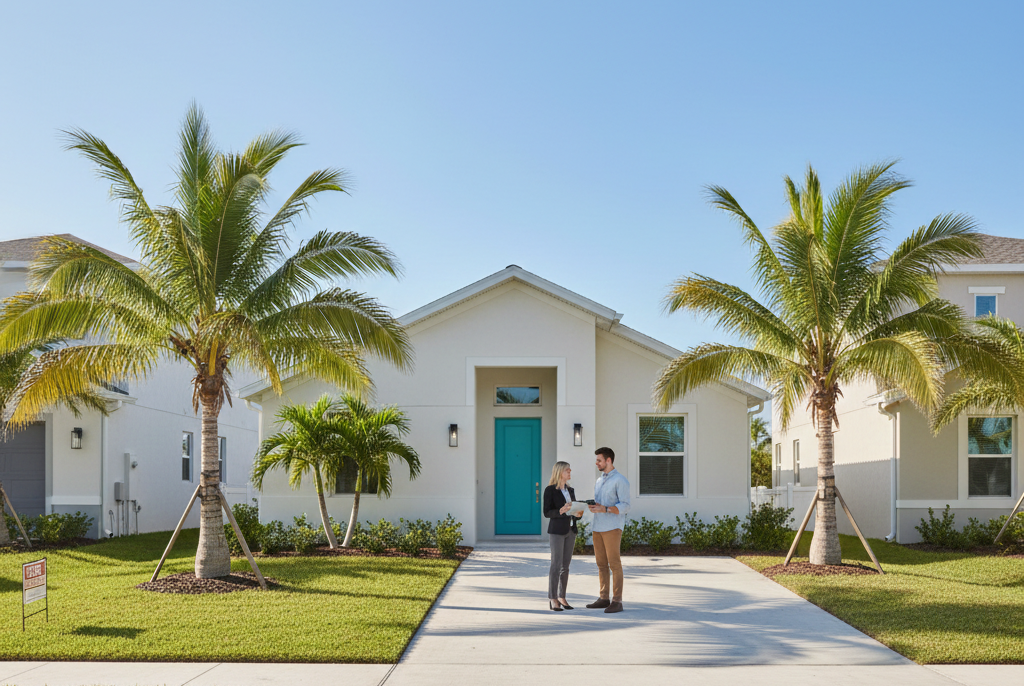
The decision to put a home on the market is never just a financial transaction; it is a major life transition. Whether you are upgrading to a larger space, downsizing for retirement, or relocating for a new career, selling property in Florida in 2026 requires a blend of local market savvy and a firm grasp of the state’s unique legal landscape. The Sunshine State has moved past the volatile bidding wars of the early 2020s into a more balanced, analytical phase where buyers are more selective and inventory levels have finally stabilized.
Successfully navigating this environment means moving beyond the "For Sale" sign on the front lawn. Today’s sellers need to understand everything from the impact of shifting interest rates on buyer demand to the specific documentary stamp taxes required at closing. In this comprehensive guide, we will walk through the essential steps to ensure your sale is as profitable and stress-free as possible.
Understanding the 2026 Florida Market Landscape
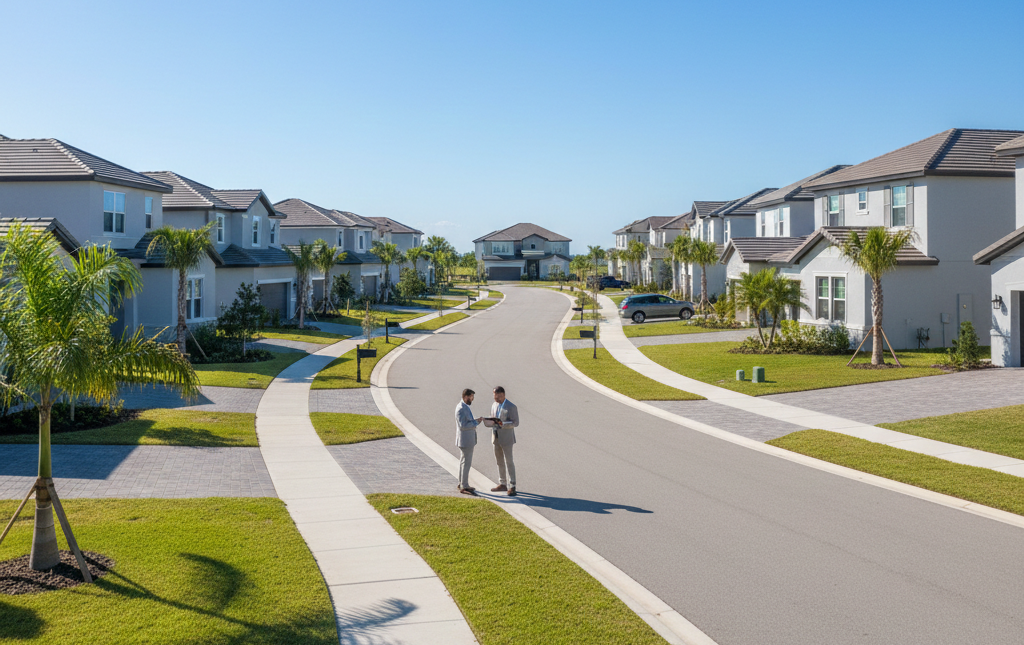
As we move through the first half of 2026, the Florida real estate market has entered what experts call "The Great Normalization." Unlike the frantic pace of previous years, the current median days on market has leveled out to around 80 days. This shift gives buyers more leverage than they’ve had in nearly a decade, which means your presentation and pricing strategy must be flawless.
While the market is no longer "exploding," Florida remains the fastest-growing state in the nation. This constant influx of new residents creates a solid floor for property values, particularly in high-demand areas like Orlando, Tampa, and the Southeast coast. When you are selling property in Florida, it is vital to recognize that your home isn't just competing with the house down the street; it is competing with new construction developments that often offer aggressive financing incentives.
Step 1: Accurate Pricing and Value Assessment
The most common mistake homeowners make is pricing based on emotion or "neighborhood gossip." In 2026, buyers are hyper-informed. They use AI-driven valuation tools and historical data to determine if a home is worth the asking price before they even book a showing. If you price too high, you risk your listing becoming "stale," which often leads to deeper price cuts later on.
To find the sweet spot, you should look at "comps"—properties similar to yours that have closed within the last three to six months. Factors like the age of the roof (critical for insurance in Florida), hurricane protection features, and proximity to water or top-tier schools play a massive role in your final number. A great starting point is to get a professional estimate of your current home value to see how your property stacks up against the recent sales data in your specific zip code.
Step 2: Preparing Your Home for the "Insurance-Conscious" Buyer
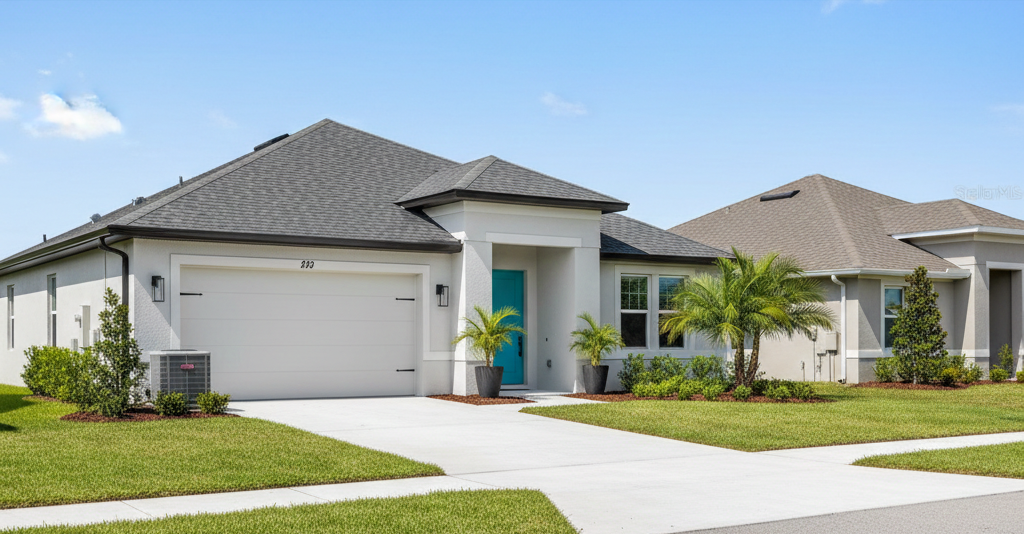
In 2026, the biggest hurdle to selling property in Florida isn't the mortgage rate—it’s the insurance premium. Buyers and their lenders are increasingly wary of older homes with "red flag" items. Before listing, it is highly recommended to conduct a pre-listing inspection. This allows you to identify and fix issues that could otherwise kill a deal during the buyer’s contingency period.
Key areas to focus on include:
-
The Roof: If your roof is over 15 years old, many insurers will refuse coverage, making it impossible for a buyer to get a loan. Consider replacing it or offering a credit at closing.
-
HVAC and Water Heaters: Ensure these systems are serviced and in good working order.
-
Curb Appeal: In the age of digital listings, first impressions happen on a smartphone screen. Fresh mulch, pressure-washed walkways, and a vibrant front door can significantly increase your click-through rate.
Step 3: Marketing and the Digital First Impression
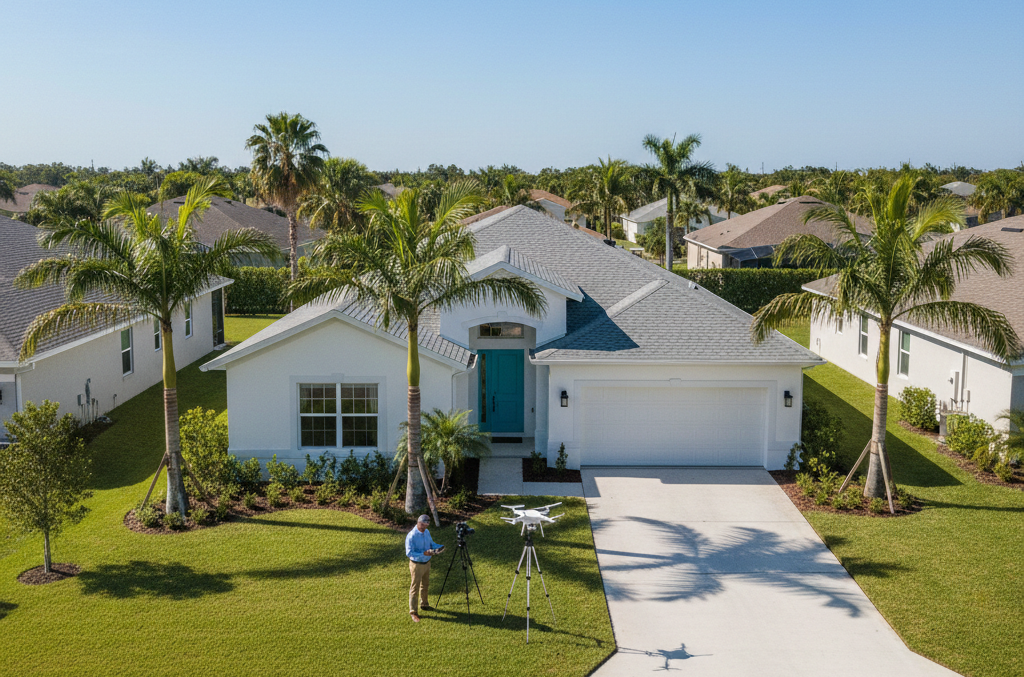
Gone are the days when a few grainy photos could sell a house. To stand out when selling property in Florida, you need a multi-media approach. High-definition professional photography is the bare minimum; today’s top listings utilize 3D virtual tours and drone footage to showcase the property's layout and its relationship to the surrounding neighborhood.
Effective marketing also means reaching buyers where they are. Whether you are working with a licensed professional or exploring the market independently, ensuring all parties adhere to the standards set by the Florida Real Estate Commission is vital for a legal and transparent transaction. If you are looking for a professional who understands these modern digital strategies, you can view a detailed agent profile to see how local experts are leveraging tech to move listings faster.
Step 4: Disclosures and Legal Obligations
Florida is an "honesty" state when it comes to real estate. Legally, you are required to disclose any known facts or conditions about the property that have a substantial impact on its value and are not readily observable by the buyer. This includes past flooding, unpermitted work, sinkhole history, or structural defects.
One of the biggest pitfalls when selling property in Florida is trying to hide a past repair. If a buyer discovers an undisclosed issue later, it can lead to expensive litigation or the collapse of the sale. It is always better to over-disclose and price accordingly than to risk a legal battle after the keys have changed hands.
Step 5: Navigating Offers and Negotiations
When the offers start coming in, don't just look at the highest number. The "terms" of the offer are often just as important as the price. In 2026, we are seeing more "contingent" offers, where the buyer needs to sell their current home before they can buy yours.
Other factors to evaluate include:
-
Proof of Funds/Pre-Approval: Is the buyer's financing solid?
-
Escrow Deposit: A larger "earnest money" deposit shows a more committed buyer.
-
Closing Timeline: Does their move-in date align with your move-out plans?
-
Inspection Period: Shorter inspection windows (typically 7–10 days) are better for the seller.
If you are ready to move on from your current home and want to see what is available on the other side of the transaction, you can explore current listings to buy real estate in Florida and gauge what your competition looks like.
Step 6: Closing Costs and Finalizing the Sale
Many homeowners are surprised by the "net proceeds" check they receive at the end. When selling property in Florida, you are responsible for several costs that can add up to 6–10% of the sale price. These typically include:
-
Realtor Commissions: Usually split between the listing and buyer agents.
-
Documentary Stamp Tax: Florida charges $0.70 per $100 of the sale price (except in Miami-Dade, where it varies).
-
Title Insurance: In many Florida counties, it is customary for the seller to pay for the buyer's title insurance policy.
-
Prorated Property Taxes: You will pay for the portion of the year you occupied the home.
The Role of the Final Walkthrough
A day or two before the official closing, the buyer will perform a final walkthrough. This is their last chance to ensure the home is in the same condition as when the contract was signed and that all agreed-upon repairs have been completed. As a seller, ensure the home is "broom clean" and that you haven't accidentally taken fixtures (like smart thermostats or specific light fixtures) that were supposed to stay.
FAQs
How long does it take to sell a house in Florida in 2026?
Currently, it takes an average of 115 to 125 days from listing to closing. This includes roughly 80 days on the market and 35 to 45 days for the escrow and financing process.
Do I need an attorney to sell my house in Florida?
While Florida law does not strictly require an attorney for a residential sale, many sellers choose to hire one to review the contract and ensure the title transfer is handled correctly, especially in complex or high-value transactions.
What is the best month to list a home in Florida?
Historically, the spring months (March through May) see the highest buyer activity. However, in Florida's temperate climate, the "winter visitor" season (January and February) is also a very strong time for listings, particularly for coastal properties and condos.
Can I sell my Florida home "As-Is"?
Yes, but "As-Is" does not exempt you from disclosure laws. You must still inform the buyer of known defects. An "As-Is" contract simply means you are stating upfront that you do not intend to make any repairs or offer credits based on the inspection results.
What are "Doc Stamps" on a deed?
The documentary stamp tax is a transfer tax paid to the state of Florida. It is calculated based on the sale price. For example, on a $500,000 home, the doc stamps would be $3,500.
Conclusion
The process of selling property in Florida has evolved into a more sophisticated endeavor that demands transparency, strategic marketing, and realistic expectations. While the market in 2026 offers stability, it no longer forgives poor preparation or aggressive overpricing. By focusing on the health of your home’s major systems, leveraging high-end digital marketing, and understanding the financial obligations at the closing table, you can position yourself for a successful and profitable exit. The Florida dream is still very much alive, and for sellers who treat their home sale with the professionalism it deserves, the rewards remain substantial.


