
Published March 27, 2026
Closing Costs in Florida for Sellers: How to Calculate Your Net Profit

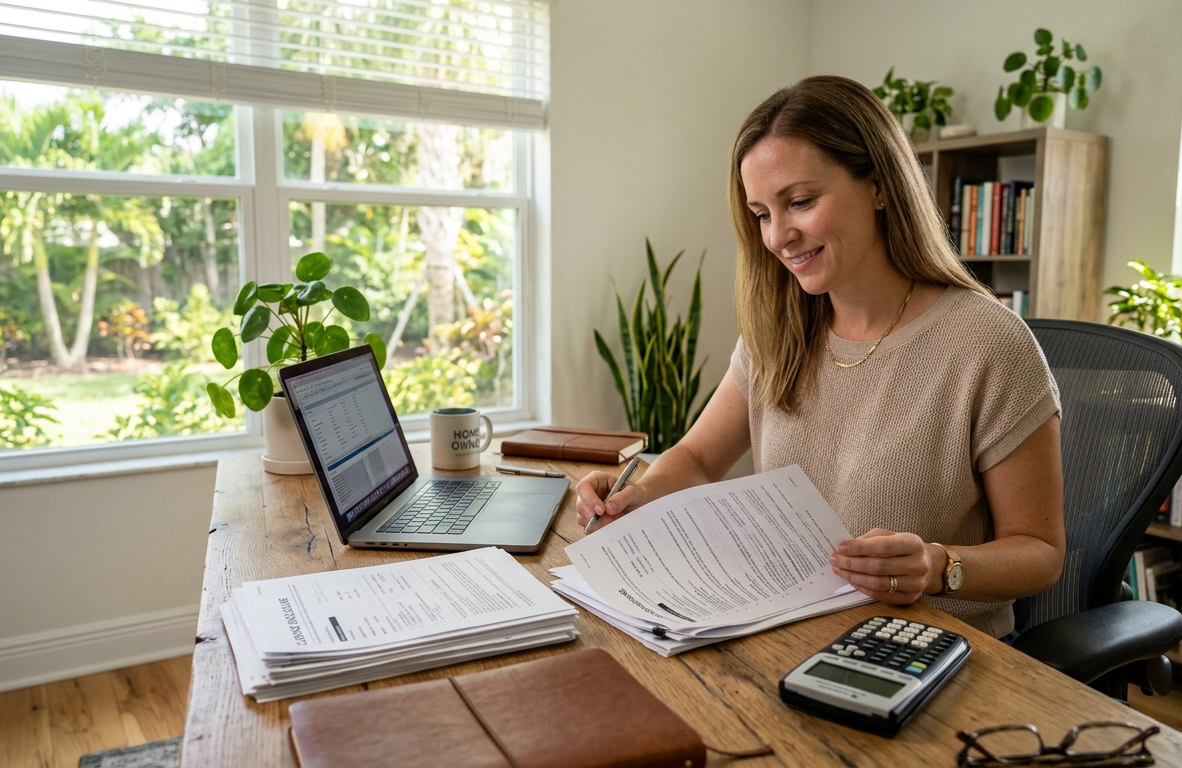
Selling a home in the Sunshine State is an exciting milestone, but the final number you see on a settlement statement is rarely the same as your listing price. Many homeowners focus entirely on the market value of their property without fully accounting for the expenses required to finalize the deal. In 2026, the real estate market has become more sophisticated, and buyers are negotiating more aggressively for repairs and credits. To walk away with the equity you expect, you must have a clear understanding of the various fees that subtract from your total. Navigating the financial side of a real estate transaction requires a detailed look at everything from taxes to commissions.
Preparation is the best defense against "sticker shock" at the closing table. By calculating your expenses early in the process, you can set a more realistic budget for your next purchase or investment. Florida has specific customs regarding who pays for what, and these can even vary by county. While some costs are fixed by state law, others are negotiable or dependent on the specific terms of your contract. This guide will break down the essential components of the selling process to help you arrive at an accurate net profit figure.
The Impact of Real Estate Commissions
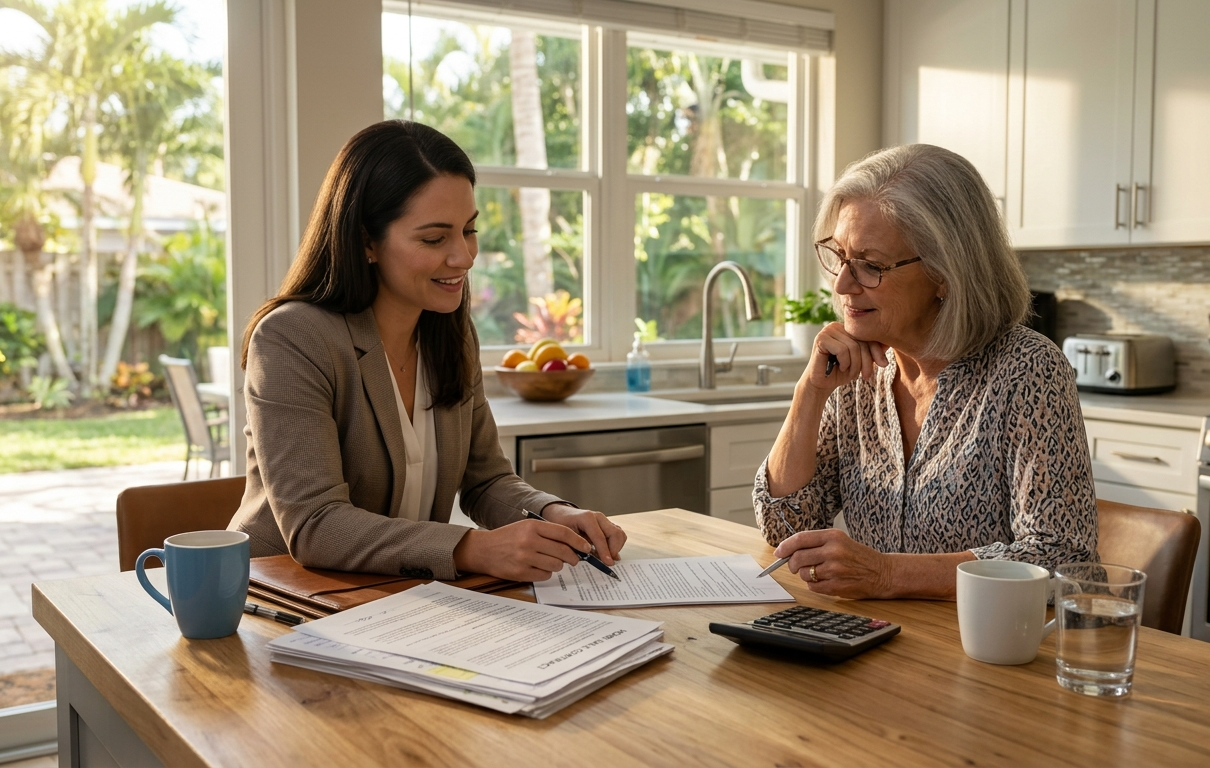
The largest single expense for most homeowners is the professional commission paid to the agents involved in the sale. In a typical Florida transaction, the seller pays a percentage of the final sale price, which is then split between the listing agent and the buyer’s agent. While this fee covers the marketing, photography, and negotiation expertise required to sell a home, it is a significant portion of your total expenses. Even as the industry sees shifts in how these fees are structured, they remain a primary factor in your final take-home pay.
For many, the value provided by a professional outweighs the cost, as a well-marketed home often fetches a higher price that offsets the commission. If you are curious about how your specific property stacks up in the current market, checking your home value is a great first step before setting your asking price. This baseline allows you to project exactly how much of your equity will go toward professional services and how much will stay in your pocket.
Documentary Stamp Taxes on Deeds
Florida is unique in its application of documentary stamp taxes, which are essentially transfer taxes on the deed of the property. For most counties in the state, the rate is $0.70 per $100 of the sale price. For example, on a $500,000 home, the "doc stamps" would amount to $3,500. This is a mandatory state tax that is almost always paid by the seller. It is one of the most predictable closing costs in Florida for sellers, yet it often catches people off guard because it is not a fee found in many other states.
It is important to note that Miami-Dade County has a slightly different structure. In Miami-Dade, the rate is $0.60 per $100 for single-family residences, but there is an additional surtax for other types of property. Regardless of where you live in the state, this tax is non-negotiable and must be paid to the clerk of court to record the new deed. When you are looking at closing costs in Florida for sellers, this should be one of the first lines on your mock settlement sheet.
Title Insurance and Search Fees
Title insurance is designed to protect the new owner and their lender from any future claims against the property. In Florida, the party responsible for paying the owner's title insurance policy often depends on the county where the property is located. For instance, in Palm Beach and Miami-Dade, the buyer typically pays for title insurance. However, in most other Florida counties, the seller is expected to cover this cost.
Beyond the policy itself, there are costs associated with the title search. This is the process of digging through public records to ensure there are no liens, unpaid taxes, or legal disputes attached to the home. If a title search reveals a problem, such as an old permit that was never closed, it is the seller's responsibility to fix it before the sale can proceed. Having a smooth transition is key, especially if you are working with a real estate agent in Florida who can help coordinate these technical details before they become a hurdle for the buyer.
Property Tax Prorations
Florida property taxes are paid in arrears, meaning the bill you pay in November covers the calendar year that is almost over. When you sell your home, you owe the buyer a credit for the portion of the year you lived in the house. For example, if you close on June 30th, you will owe the buyer exactly half of the estimated property tax bill for that year. This amount is deducted from your proceeds at closing.
This proration ensures that the buyer is not stuck paying for the months they didn't own the home. Conversely, if you have already paid your taxes for the year, you might receive a credit back from the buyer. Because Florida’s tax cycle can be confusing for those moving from other regions, understanding these closing costs in Florida for sellers is vital. It is also worth looking into a Florida homestead exemptions guide to understand how your specific tax status might change the final calculation when you transition to a new residence.
Owner’s Association Estoppel Fees

If your home is part of a Homeowners Association (HOA) or a Condominium Association, you will need to pay for an estoppel certificate. This is a legal document provided by the association that outlines your current standing. It shows if you owe any back dues, if there are pending special assessments, or if there are any active violations on your property.
Associations typically charge a fee to prepare this document, and state law caps these fees at a certain level, though "rush" orders can cost extra. Sellers are almost always responsible for this fee. Additionally, if the association requires a "capital contribution" or a transfer fee from the new owner, this is sometimes negotiated as a seller expense, though it is more commonly a buyer cost. These small administrative fees can add up, so they must be included in your review of closing costs in Florida for sellers.
Mortgage Payoff and Interest
The most significant deduction for most sellers is the remaining balance on their mortgage. However, your payoff amount is not the same as the balance shown on your last monthly statement. Your payoff will include the principal balance plus any interest that has accrued between your last payment and the day of closing. Since interest is paid in arrears, there is always a final bit of interest to settle.
Additionally, some older mortgage contracts or specific loan types may have a "prepayment penalty," though these are rare in modern residential lending. You should also check if you have an escrow account with your lender. While you will have to pay the full interest and principal at closing, your lender will eventually refund any leftover money in your escrow account (used for taxes and insurance) within a few weeks of the sale.
Municipal Lien Searches and Utility Finalization
Title companies will perform a municipal lien search to ensure there are no "hidden" debts owed to the local city or county. This includes unpaid utility bills, code enforcement fines, or special assessments for things like new sewer lines or street paving. In many Florida municipalities, these debts stay with the property, not the person, so the buyer’s lender will insist they are cleared before closing.
As a seller, you must ensure your water, electric, and gas bills are paid in full through the date of closing. Any outstanding balances discovered during the search will be deducted from your proceeds. These are standard closing costs in Florida for sellers that ensure the buyer receives a "clean" title. Keeping your records organized and paying your final bills promptly can prevent last-minute delays in the disbursement of your funds.
Repair Credits and Home Inspection Issues
After a home inspection, it is very common for a buyer to request repairs or a financial credit to cover the cost of necessary fixes. While you are not always legally required to agree to these requests, many sellers choose to offer a credit to keep the deal moving forward. This credit is deducted directly from your net profit at the closing table.
In 2026, with the cost of labor and materials remaining high, these credits can be substantial. If your roof is near the end of its life or the HVAC system is struggling, a buyer might ask for thousands of dollars off the price. Planning for a "repair buffer" in your financial projections is a smart way to manage closing costs in Florida for sellers. It is better to be pleasantly surprised by a low repair demand than to be caught off guard by a large deduction you didn't budget for.
Recording Fees and Administrative Charges
The actual process of filing documents with the county recorder’s office involves small administrative fees. While the buyer pays to record the new deed and mortgage, the seller often pays to record the satisfaction of their old mortgage and any other documents needed to clear the title. These fees are usually under $200 but are a necessary part of the ledger.
The closing agent, whether it is a title company or an attorney, will also charge a settlement fee. This covers the cost of coordinating the paperwork, conducting the closing, and managing the escrow of funds. In many parts of Florida, the party that chooses the title company pays the settlement fee, but this is a negotiable item in the sales contract. When totaling your closing costs in Florida for sellers, remember that every signature has a small administrative cost attached.
Impact of FIRPTA for International Sellers
If you are not a U.S. citizen or resident, you may be subject to the Foreign Investment in Real Estate Tax Act (FIRPTA). This law requires that a portion of the sale proceeds (usually 15%) be withheld at the time of closing to ensure the IRS receives any capital gains taxes due. This is not technically a "closing cost" in the traditional sense, but it is a massive deduction from your immediate cash flow.
Navigating FIRPTA requires specialized tax advice and can significantly delay when you receive the bulk of your funds. For international residents, this is the most critical factor to consider when evaluating closing costs in Florida for sellers. Working with a title company that understands these regulations is essential to ensure the paperwork is filed correctly and that you can apply for a refund of any over-withheld amounts in a timely manner.
Survey and Appraisal Negotiables
While an appraisal is almost always a buyer’s expense (required by their lender), a survey can sometimes become a seller’s responsibility depending on the contract. If you have an existing survey that is accurate and shows no changes to the property footprint, the buyer might accept it. However, if a new survey is required, who pays for it is a point of negotiation.
In a "seller's market," buyers often waive these requests, but in a more balanced 2026 market, you might find yourself covering the cost of a survey to appease a lender. These types of closing costs in Florida for sellers are flexible, and a strong negotiator can often shift these expenses back to the buyer side of the ledger. Knowing which costs are customary in your specific Florida county gives you the upper hand during these discussions.
Wire Fees and Courier Costs
In the final days before closing, there are often small fees for domestic or international wires and overnight couriers. Since most sellers want their funds wired directly to their bank account for immediate access, a small wire fee is standard. If you are closing remotely and need to have documents notarized and sent via FedEx, those costs will also appear on your statement.
While these are the smallest items on the list, they are part of the reality of modern real estate. When you are looking at the big picture of closing costs in Florida for sellers, these $30 to $50 charges are minor, but they contribute to the final tally. Most title companies provide a "Preliminary Closing Disclosure" a few days before the sale, which will list these items in detail, allowing you to double-check the math before the final signing.
Conclusion
Successfully selling a home in Florida means more than just finding a buyer; it means navigating a complex web of financial obligations. By understanding the nuances of commissions, state taxes, and title fees, you can move toward your closing date with total confidence. The key to a high net profit is not just a high sale price, but a strategic management of the expenses required to get there. As the Florida market continues to evolve in 2026, staying informed about these various fees will help you protect your equity and ensure that your next move is a financially sound one. With a bit of planning and the right professional support, you can turn your real estate goals into a reality without any unwanted surprises.
Frequently Asked Questions
Who typically pays for title insurance in Florida?
It depends on the county. In "Home Rule" counties like Miami-Dade, Broward, and Palm Beach, the buyer usually pays. In most other Florida counties, it is customary for the seller to pay for the owner's title insurance policy. However, this is always a negotiable item in the contract.
How much should I budget for closing costs in Florida for sellers?
A safe estimate is between 6% and 10% of the sale price. This includes the real estate commission (usually 5% to 6%), documentary stamp taxes, title fees, and other administrative costs. Your actual net profit will depend on your mortgage balance and any repair credits you provide.
What are documentary stamp taxes?
These are transfer taxes paid to the State of Florida when a property changes hands. The standard rate is $0.70 per $100 of the sale price. This tax is a mandatory requirement for the deed to be recorded in public records.
Can I deduct closing costs from my taxes?
Many closing costs, such as real estate commissions and legal fees, can be used to reduce your capital gains tax liability by increasing your "cost basis" in the home. However, you should always consult with a tax professional to understand the current 2026 IRS regulations.
What happens to my escrow account when I sell my home?
Your current mortgage lender will use your sale proceeds to pay off the loan in full. Any money remaining in your escrow account for property taxes or insurance will be sent back to you in the form of a check or wire, usually within 30 days of the closing.


