
Published March 6, 2026
Maximizing Florida Homestead Exemptions: 2026 Filing Deadlines & Tips


Buying a home in the Sunshine State comes with a long list of perks, from the year-round warm weather to the lack of state income tax. However, for many homeowners, the most significant financial benefit is the Florida Homestead Exemption. This constitutional benefit is designed to protect permanent residents from rising property taxes and provide a layer of legal protection for their primary residence. As we move through 2026, understanding how to navigate the filing process is more important than ever, especially with the recent inflationary adjustments to property valuations across the state.
If you have recently moved into a new home or are planning to make Florida your permanent base, you cannot afford to overlook this filing. It is not an automatic benefit that comes with your deed. Instead, it is a proactive step that requires specific documentation and a strict adherence to state-imposed deadlines. Missing the window can mean leaving thousands of dollars on the table over the life of your homeownership. This guide walks you through every detail you need to ensure your home is fully protected.
The Financial Power of the Homestead Benefit
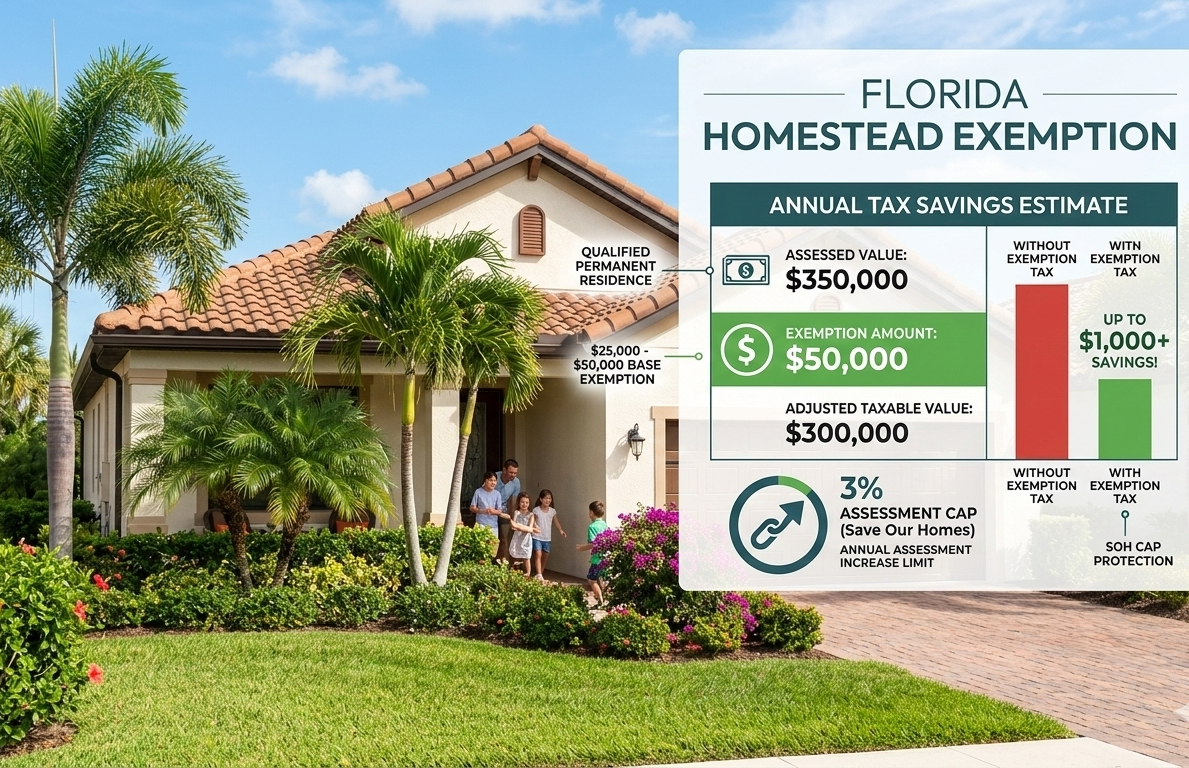
At its core, the Florida Homestead Exemption provides two major layers of protection. First, it reduces the taxable value of your home. For most residents, this means the first $50,000 of their home's value is exempt from certain property taxes. The first $25,000 applies to all property taxes, including school district taxes. The second $25,000 applies to the assessed value between $50,000 and $75,000 and is exempt from all property taxes except school district levies.
According to the 2026 Florida Realtors tax report, the average homeowner can expect to save between $400 and $1,000 annually, depending on their local millage rates and the current inflation-adjusted exemption levels.
The second, and perhaps more powerful, benefit is the Save Our Homes assessment cap. Once you have been granted a Florida Homestead Exemption, the assessed value of your home cannot increase by more than 3 percent per year, or the percentage change in the Consumer Price Index, whichever is lower. In a booming real estate market where values might jump 10 or 15 percent in a single year, this cap keeps your tax bill predictable and affordable. It essentially creates a barrier between the skyrocketing market value of your neighborhood and the amount the government is allowed to tax you on.
Eligibility Requirements for 2026
To qualify for the Florida Homestead Exemption in 2026, you must meet very specific criteria set by the state. The most fundamental rule is that you must hold legal or beneficial title to the property as of January 1, 2026. This means if you close on your home on January 2nd, you are unfortunately ineligible for the exemption in the current tax year and will have to wait until 2027 to see the benefits.
Furthermore, the property must be your permanent residence. Florida law is very strict about this. You cannot claim a homestead in Florida if you are claiming a residency-based tax exemption in any other state. The property appraisers across the state utilize sophisticated cross-checking software to ensure that owners are not "double-dipping" in multiple jurisdictions. You must be able to prove that Florida is your primary home by showing things like a Florida driver’s license, voter registration, or vehicle registration tied to the address.
Critical Deadlines and How to File
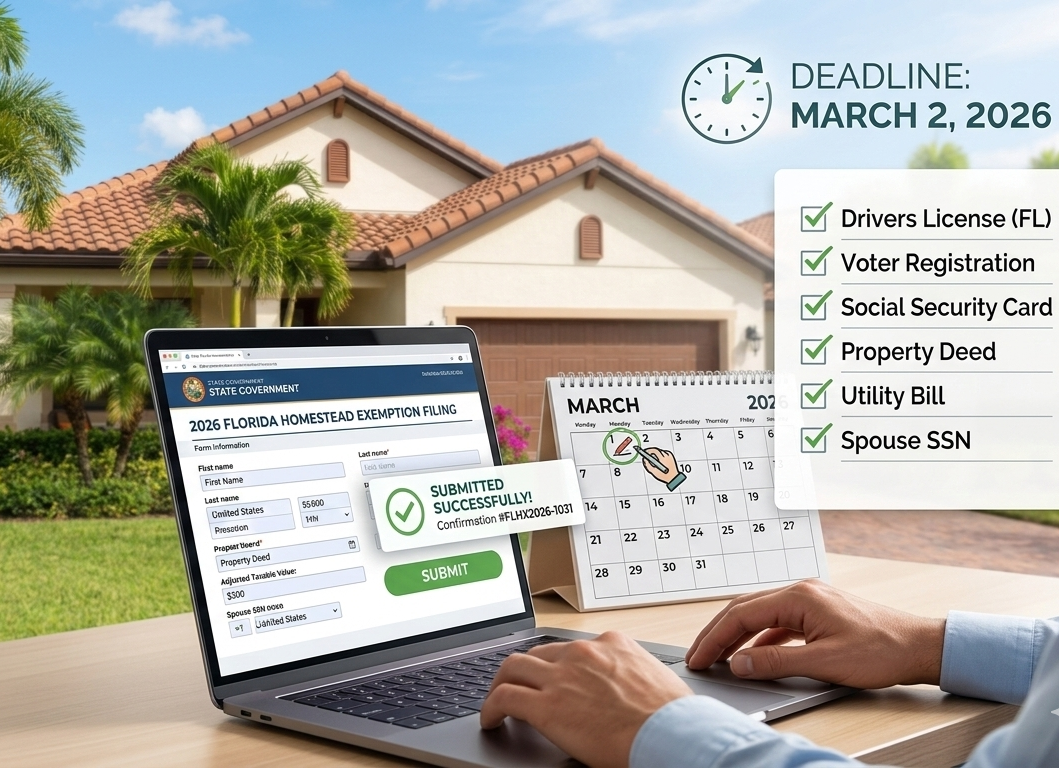
The clock starts ticking the moment you move in, but the official filing window is quite specific. The deadline to file for your Florida Homestead Exemption for the 2026 tax year is March 2, 2026. While the deadline is typically March 1st, the fact that it falls on a weekend in 2026 gives residents an extra day to get their paperwork in order. If you miss this date, you will generally lose the exemption for the entire year, though some counties allow for a "late file" under extreme extenuating circumstances.
Most counties now offer a streamlined online filing system through the local Property Appraiser’s office. This is often the fastest and most secure way to ensure your application is received. However, if you prefer the traditional route, you can still mail in Form DR-501 or visit a local office in person. Regardless of how you file, keep a copy of your confirmation or receipt. This is your only proof that you met the deadline if a clerical error occurs at the county level. Many people who are currently browsing homes for sale in Florida should make note of this deadline even before they sign their closing papers.
Documentation Checklist for Success
When you sit down to complete your Florida Homestead Exemption application, having your documents ready will save you a massive amount of time. The state requires evidence of your intent to make Florida your permanent home. You will typically need to provide your Social Security number, the date you moved into the home, and the previous address you lived at.
Specific proof of residency is non-negotiable. You should have your Florida driver’s license or Florida identification card ready. If you drive a car, your Florida vehicle registration must be updated to your new address. If you are a registered voter, your Florida voter registration number will also be required. For non-U.S. citizens, proof of permanent residence (Green Card) is necessary to claim the Florida Homestead Exemption. Collecting these items early ensures that you aren't scrambling at the last minute as the March deadline approaches.
Understanding the 2026 Inflationary Adjustments
One unique aspect of the 2026 tax year is how inflation has impacted property valuations. While the basic exemption amounts remain fixed, the cost of living and the "just value" of properties have shifted. This makes the Florida Homestead Exemption even more valuable because it acts as a stabilizing force against these fluctuations. Without the homestead cap, many long-term residents would find themselves priced out of their own homes due to the rapid rise in property values across the state.
It is also worth noting that if you have moved from one Florida home to another, you might be able to "port" your previous tax savings. This is known as Portability. If you had a Florida Homestead Exemption on a previous home and moved to a new one, you can transfer up to $500,000 of your Save Our Homes tax savings to your new property. This can result in a much lower tax bill than a first-time Florida homeowner would pay for the exact same house. For those selling property in Florida to move to a larger home, portability is a critical financial strategy to discuss with your tax professional.
Common Pitfalls and How to Avoid Them
The most common mistake homeowners make is assuming the exemption "carries over" from the previous owner. It does not. When a property changes hands, the previous owner’s Florida Homestead Exemption is removed, and the assessed value resets to the full market value. As the new owner, you must apply for your own exemption. If you rely on the tax amount shown on the real estate listing from the previous year, you will likely be hit with a significantly higher tax bill than you expected.
Another pitfall involves renting out your home. The Florida Homestead Exemption is for permanent residences only. If you decide to turn your home into a short-term rental or a long-term investment property, you will likely lose your homestead status. In fact, renting out your home for more than 30 days per year for two consecutive years can be seen as "abandonment" of the homestead, leading to back taxes and significant penalties. This is a vital consideration for those looking into real estate investment benefits who may want to live in the home for a few years before converting it to a rental.
Special Exemptions and Additional Savings
The Florida Homestead Exemption is just the baseline. Depending on your personal circumstances, you may qualify for additional exemptions that can lower your taxable value even further. For example, residents who are 65 or older and meet certain income requirements can often claim an additional senior exemption. In some counties, this can be an extra $50,000 in exempt value.
There are also significant benefits for veterans. Any veteran who is at least 10 percent disabled due to a service-connected misfortune is entitled to a $5,000 exemption. If a veteran is 100 percent permanently and totally disabled, they may be exempt from paying property taxes on their homestead property altogether. Widows, widowers, and persons who are legally blind or totally and permanently disabled also have access to specific add-on exemptions. Always ask your property appraiser about these options to ensure you are maximizing your savings.
The Role of the Property Appraiser
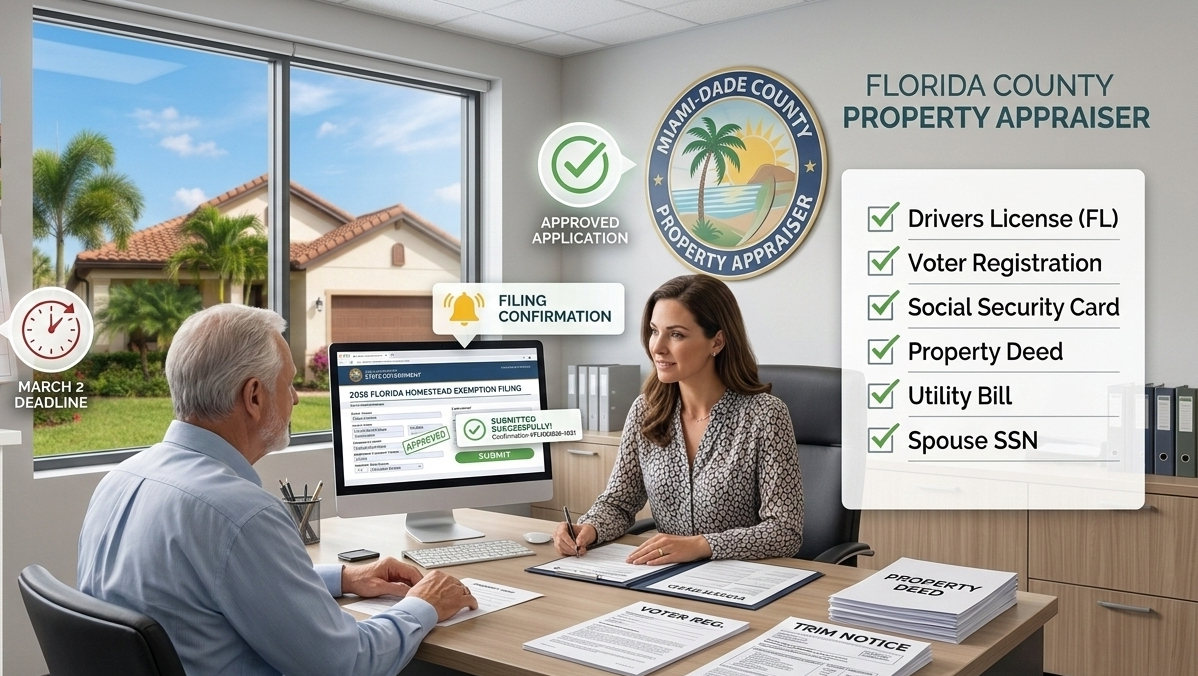
Your local Property Appraiser is not just the person who determines your tax bill; they are also the gatekeeper of the Florida Homestead Exemption. Throughout the year, their office reviews thousands of applications. If there is a discrepancy in your paperwork, they will usually notify you by mail. It is essential to respond to these inquiries immediately. If they deny your application, you have a limited window to appeal the decision to the Value Adjustment Board.
By the middle of August, you will receive a TRIM (Truth in Millage) notice. This is a critical document that shows your home’s assessed value and the exemptions that have been applied. This is your chance to verify that your Florida Homestead Exemption is correctly listed before the final tax bills are mailed out in November. If the notice does not show your homestead status, you should contact the appraiser's office immediately to rectify the situation before the tax rolls are finalized.
Preparing for Your First Year of Ownership
If 2026 is your first full year in your home, be prepared for a "transition year" in your taxes. Because the assessment resets when you buy the home, your first tax bill might be higher than subsequent years once the Save Our Homes cap kicks in. Think of the Florida Homestead Exemption as a long-term investment. While the immediate $50,000 reduction is nice, the real wealth-building happens over five, ten, or twenty years as the cap keeps your assessment from following the aggressive upward curve of the market.
It is also a good idea to update your mortgage company once your exemption is approved. Many lenders manage your property taxes through an escrow account. If they are estimating your taxes based on the non-homestead rate, your monthly payment might be higher than necessary. Providing them with proof of your Florida Homestead Exemption can help them adjust your escrow analysis, potentially lowering your monthly mortgage payment and keeping more cash in your pocket.
Conclusion
Securing a Florida Homestead Exemption is one of the smartest moves you can make as a homeowner in the state. It provides more than just a simple discount; it offers a long-term shield against the volatility of the real estate market and ensures that your primary residence remains an affordable cornerstone of your financial life. By respecting the March 2nd deadline and ensuring all your residency documents are in order for 2026, you are taking full advantage of the protections the Florida Constitution provides. Whether you are a first-time buyer or a seasoned resident moving to a new neighborhood, the peace of mind that comes with a protected homestead is invaluable. Florida is a wonderful place to call home, and the homestead benefit is the state’s way of rewarding those who choose to put down permanent roots in our communities. Take the time to file correctly, double-check your TRIM notice, and enjoy the many years of tax savings that follow.
Frequently Asked Questions
What is the absolute last day to file for the homestead exemption in 2026?
The official deadline is March 2, 2026. This date is strictly enforced by the state. If you miss this window, you will have to wait until the following year to apply for the exemption, which could result in a much higher tax bill for the current year.
Can I file for the Florida Homestead Exemption online?
Yes, most Florida counties, including Miami-Dade, Broward, Palm Beach, and Hillsborough, have robust online portals where you can upload your documents and file your application from home. This is generally the recommended method as it provides an instant digital receipt.
Do I have to reapply every year?
No. In most cases, once your Florida Homestead Exemption is granted, it will renew automatically every year as long as you continue to live in the home and maintain it as your permanent residence. The county will usually send you a renewal card in the mail each January to confirm that nothing has changed.
What happens if I move to a new house in Florida?
The exemption does not move with you automatically. You must file a new application for your new home. However, you can use the Portability feature to transfer your accumulated tax savings from your old home to your new one, provided you file the proper paperwork within the required timeframe.
Can a married couple claim two homestead exemptions if they own two homes?
Generally, no. A married couple is considered a single family unit and is entitled to only one Florida Homestead Exemption. If you try to claim two, you risk losing both and facing penalties for tax fraud. There are very rare exceptions for couples who are legally separated and living apart, but these require extensive legal proof.
Does the homestead exemption protect my home from creditors?
Yes, one of the biggest secondary benefits is asset protection. In Florida, your homestead is generally protected from forced sale by most creditors, with a few exceptions like your mortgage lender, the IRS, or contractors who have worked on the home. This makes the Florida Homestead Exemption a powerful tool for asset protection.
What if I inherited my home?
If you inherited a home and it is your permanent residence, you are likely eligible to file for the exemption. However, the process can be slightly more complex depending on how the title was held. You should contact your local property appraiser to discuss the specific requirements for inherited property.


