
Published March 30, 2026
Florida Gated Communities Guide: Safety, Amenities, and Top Picks

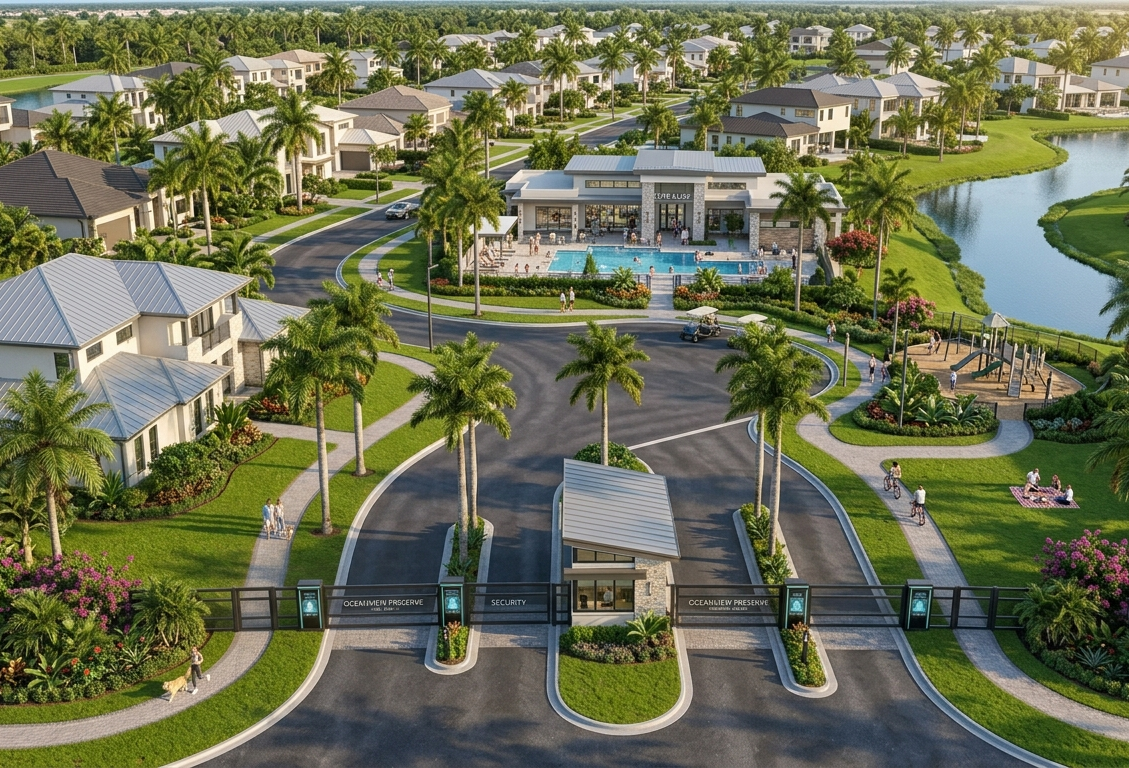
Florida has long been synonymous with a specific kind of elevated lifestyle. For many, that dream involves more than just a pool and a palm tree; it involves the peace of mind and exclusivity that comes with a controlled-access neighborhood. As we move through 2026, the demand for these private enclaves has only intensified. Whether you are a retiree looking for a quiet retreat or a growing family seeking a secure environment for your children, understanding the nuances of the local market is essential. This comprehensive resource serves as your definitive Florida gated communities guide, helping you navigate the various options available across the Sunshine State.
The decision to move into a gated neighborhood is often driven by a desire for a sense of place. In a world that feels increasingly busy, having a physical barrier between your home and the outside world provides a psychological sense of sanctuary. However, these communities offer much more than just a gate and a guard. They represent a curated way of living where the landscaping is pristine, the neighbors share similar values, and the recreational opportunities are right outside your front door. Finding the perfect fit requires looking beyond the entrance and evaluating the long-term benefits and responsibilities of this lifestyle.
The Evolution of Gated Living in 2026
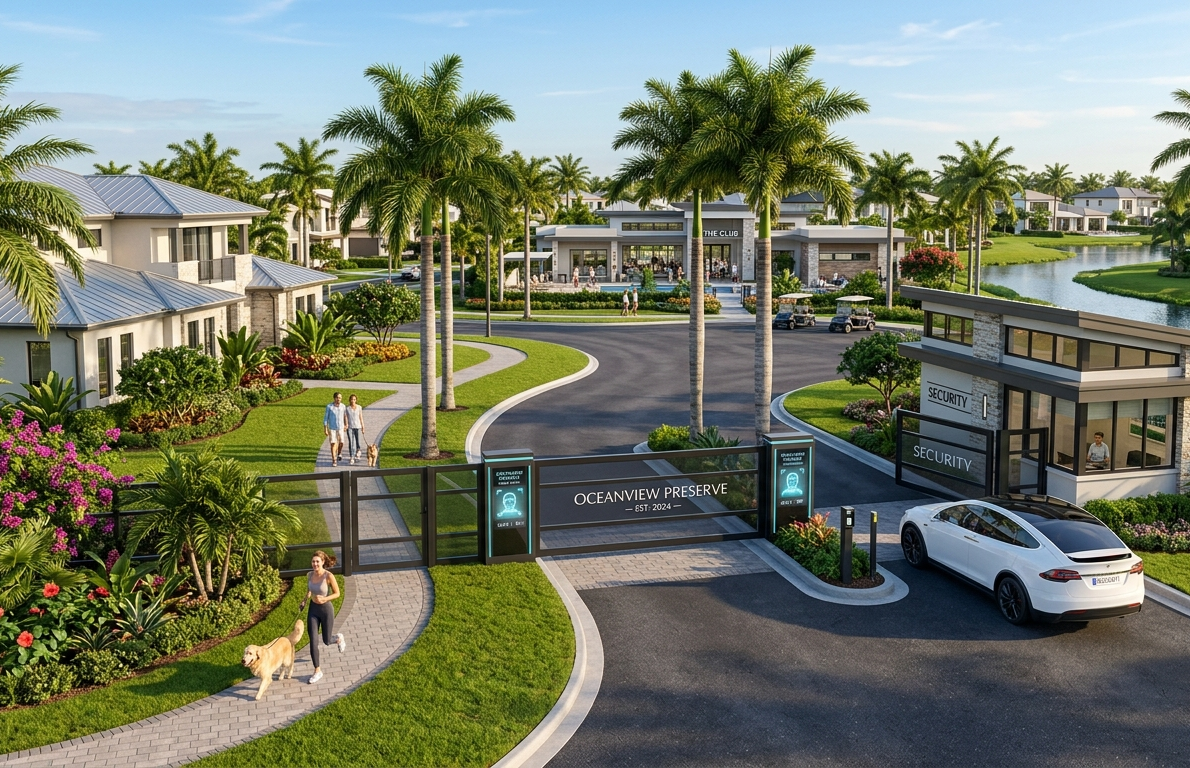
The concept of a gated neighborhood has evolved significantly over the last decade. While the early versions were often just a cluster of homes with a fence, today’s developments are fully integrated lifestyle hubs. We are seeing a move toward "smart gates" that use facial recognition and digital guest passes, as well as an increased focus on sustainability within the community borders. Modern developers are prioritizing green spaces, walking trails, and natural preserves, ensuring that the exclusivity of the gate does not mean a lack of connection to nature.
This shift is particularly evident in the way new communities are being marketed. They are no longer just selling a house; they are selling a membership to an exclusive club. As highlighted in the Florida Realtors 2026 housing outlook, the state is entering a more balanced phase where inventory recovery and stabilized pricing allow buyers to prioritize long-term lifestyle amenities over the frantic bidding wars of previous years. From private beach clubs to on-site organic farms, the offerings are becoming more diverse and specialized. Any modern Florida gated communities guide must acknowledge that the "one size fits all" approach is gone. There are now specific enclaves for golf enthusiasts, equestrian lovers, boaters, and those seeking a wellness-focused environment.
Safety and Security: The Primary Draw
For the majority of buyers, safety remains the number one reason to choose a gated community. The presence of a controlled entry point significantly reduces through-traffic, which in turn leads to quieter streets and a lower risk of opportunistic crime. Many of the high-end communities in Florida employ 24-hour manned security, where guards patrol the grounds and monitor visitor logs. This creates a "neighborhood watch" atmosphere that is difficult to replicate in an open suburb.
Beyond the gate itself, the design of these communities often emphasizes safety through better lighting and sidewalk connectivity. Children can ride their bikes and play outside with a level of freedom that many parents feel is missing in other areas. While no environment is entirely without risk, the statistics generally show that these private areas have lower rates of property crime. When researching your options, it is helpful to consult with a real estate agent in Florida who can provide local crime data and insights into the specific security protocols of different neighborhoods.
World-Class Amenities at Your Doorstep
One of the most attractive aspects of gated living is the access to amenities that would otherwise require a separate club membership. Most of these communities feature a central clubhouse that serves as the social heart of the neighborhood. Here, you might find a resort-style pool, a state-of-the-art fitness center, tennis courts, and even on-site dining options. This convenience allows residents to lead an active social life without ever having to leave their immediate area.
For families, these amenities are a lifesaver. Having a safe playground, a splash pad, or a basketball court within walking distance makes managing a busy schedule much easier. Some of the most prestigious communities even offer private schooling or specialized tutoring centers on-site. The key is to match the community’s amenities with your actual lifestyle. There is little point in paying high fees for a golf course if you never pick up a club. A thorough Florida gated communities guide should encourage buyers to list their "must-have" features before starting their search.
Understanding the Costs: HOAs and Beyond

While the benefits are clear, gated living comes with a financial commitment. Every resident is required to pay Homeowners Association (HOA) fees, which cover the maintenance of the common areas, the gate security, and the community amenities. In Florida, these fees can vary wildly, from a few hundred dollars a year to several thousand dollars a month. It is vital to review the HOA’s financial health and their history of "special assessments" before you buy.
Additionally, some Florida communities are located within a Community Development District (CDD). This is a special-purpose government unit created to finance the infrastructure of the development, such as roads and utilities. These fees are typically added to your annual property tax bill. Understanding these nuances is a critical part of the cost of buying a home in Florida. You need to account for these ongoing costs to ensure the community fits within your long-term budget. A well-prepared Florida gated communities guide always highlights the importance of financial transparency during the due diligence phase.
Top Picks: South Florida Luxuries
South Florida is home to some of the most iconic gated enclaves in the world. From the waterfront estates of Miami to the equestrian ranches of Wellington, the options are breathtaking. Communities like Gables Estates and Indian Creek offer an unparalleled level of privacy, often attracting celebrities and high-profile executives. These areas are characterized by massive lot sizes, deep-water docks, and a level of security that includes water patrols.
For those who want a more social atmosphere, the "club" communities of Boca Raton and Palm Beach Gardens are excellent choices. Places like Admirals Cove or The Bear’s Club provide world-class golf and social calendars that are active year-round. These neighborhoods are perfect for those who want their home to feel like a vacation resort. When exploring these high-end options, using a Florida gated communities guide helps you distinguish between a standard gated street and a full-service luxury lifestyle community.
Central Florida: Family-Focused Enclaves
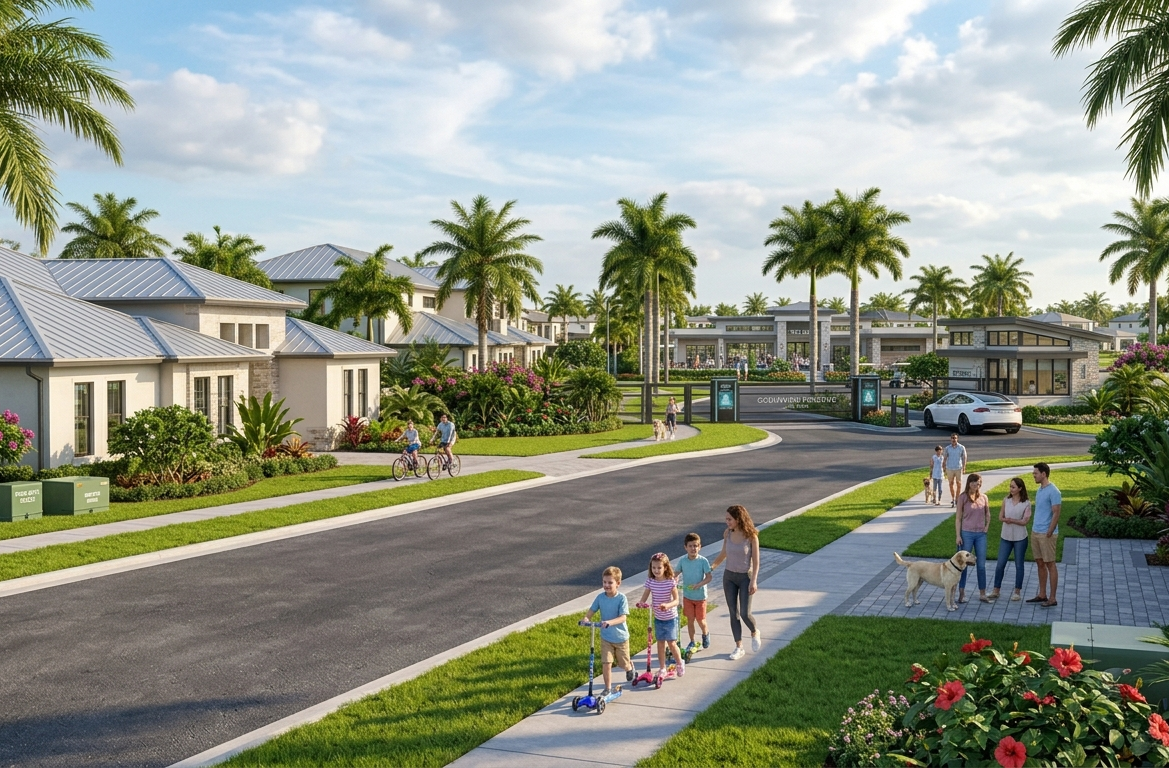
The Orlando and Tampa areas have seen a surge in family-oriented gated communities over the last few years. These developments often prioritize proximity to top-rated schools and major employment hubs. Communities like Lake Nona in Orlando are built around the concept of "Medical City," offering a high-tech, wellness-focused environment that is perfect for professionals. The amenities here often include high-speed fiber optics and community-wide fitness programs.
In Tampa, areas like Westchase and FishHawk Ranch provide a mix of gated and non-gated villages, allowing for a variety of price points while still offering the benefits of shared amenities. These communities are known for their strong sense of community, with frequent events like food truck nights and holiday parades. If you are looking for the best places to live in Florida for families, focusing on these Central Florida hubs is a great strategy. They offer a balance of safety, convenience, and value that is hard to beat.
The Quiet Charm of North Florida
While South and Central Florida get most of the attention, North Florida holds some hidden gems for gated living. The Jacksonville and St. Augustine areas feature beautiful coastal communities that lean into the natural landscape. Neighborhoods like Marsh Landing or Sawgrass in Ponte Vedra Beach offer a more laid-back, "Old Florida" feel while still providing top-tier security and amenities. Here, you are more likely to find canopy trees and marsh views than neon lights.
These communities often appeal to those who want a bit more space and a slightly slower pace of life. The weather is also a factor, as North Florida experiences more distinct seasons while still avoiding the harsh winters of the north. A comprehensive Florida gated communities guide should always mention these northern options for buyers who value natural beauty and a more understated version of luxury. The homes here are often architectural masterpieces that blend seamlessly with the coastal environment.
Privacy and the "Fishbowl" Effect
One of the common critiques of gated living is the potential for a "fishbowl" atmosphere. When everyone is living in a controlled environment with strict HOA rules, some feel their privacy is ironically diminished by the proximity of their neighbors. Rules can dictate everything from the color of your front door to the type of vehicle you can park in your driveway. For some, this structure is a benefit that maintains property values; for others, it can feel restrictive.
It is important to read the Covenants, Conditions, and Restrictions (CC&Rs) of any community you are considering. This document outlines exactly what you can and cannot do on your property. A good Florida gated communities guide reminds you that the "exclusivity" of the gate also means agreeing to a set of collective standards. If you are someone who enjoys a more eclectic or independent lifestyle, you might find the rules of a gated neighborhood a bit stifling. However, if you value uniform aesthetics and predictable neighbor behavior, these communities are a perfect match.
Impact on Property Value and Resale
Historically, homes in gated communities have held their value better than those in non-gated areas. The combination of limited supply, high demand, and strict maintenance standards creates a stable market. Buyers are often willing to pay a premium for the "gate," which can be a significant advantage when it comes time to sell. In a fluctuating market, the perceived safety and prestige of these enclaves act as a protective buffer for your investment.
However, it is also important to consider the resale of the community as a whole. Is the HOA well-funded for future repairs to the roads and clubhouse? Are the amenities being updated to stay current with modern trends? A community that looks "dated" can see its value stagnate. When using a Florida gated communities guide to plan your investment, look for neighborhoods that have a clear long-term plan for capital improvements. This ensures that your home remains attractive to the next generation of buyers.
Navigating the Rental Market within Gates
Many people are surprised to learn that gated communities often have strict rules regarding rentals. Some ban short-term rentals (like Airbnb) entirely, while others require a minimum lease period of six months or a year. If you are looking at your purchase as a potential investment property, this is a crucial factor to investigate. The goal of these rules is usually to maintain the stability and security of the neighborhood by limiting the number of transient guests.
Conversely, if you are looking to rent before you buy, many gated communities offer long-term leases that allow you to "test drive" the lifestyle. This is a great way to see if you actually enjoy the rules and the culture of the neighborhood before committing to a purchase. An inclusive Florida gated communities guide should provide resources for both buyers and renters, as the experience of living behind the gate is unique and worth experiencing firsthand.
The Social Dynamics of Gated Life
Living in a gated community naturally fosters a closer relationship with your neighbors. Because you share the same amenities and social spaces, you are likely to run into the same people at the pool or the gym. This can lead to a very strong social network and a sense of belonging that is often missing in more disconnected urban environments. Many communities have active social committees that organize everything from wine tastings to book clubs.
This social aspect is particularly beneficial for those moving from out of state. It provides an "instant" community where it is easy to make friends and find people with similar interests. However, it also means that neighborly disputes can sometimes feel more intense because of the shared space. A balanced Florida gated communities guide points out that while the gate keeps the world out, it also keeps the community in. Finding a neighborhood with a culture that matches your personality is just as important as the square footage of the house.
Future-Proofing Your Gated Community Choice
As we look toward the later part of the decade, the concept of the gated community is becoming even more integrated with technology. We are seeing the rise of "micro-transit" within gates, such as autonomous shuttles that take residents from their homes to the clubhouse. There is also a greater emphasis on disaster resilience, with many new Florida developments building their own micro-grids for power and advanced drainage systems to handle tropical storms.
Choosing a community that is forward-thinking in its infrastructure will protect your investment for years to come. When you are walking through a potential neighborhood, look at the condition of the "bones", the roads, the drainage, and the utility setups. A modern Florida gated communities guide encourages you to ask about the developer’s plans for future tech integrations. The communities that thrive will be the ones that can adapt to a changing world while still maintaining the privacy and security that residents demand.
Conclusion
Finding the right place to call home in the Sunshine State is a journey of balancing your personal needs with the realities of the market. Choosing to live in a private enclave offers a unique blend of security, luxury, and social connection that is hard to find elsewhere. By following a structured Florida gated communities guide, you can navigate the complex world of HOA fees, community rules, and amenity packages with clarity. Whether you are drawn to the coastal breeze of the north or the vibrant energy of the south, Florida’s gated neighborhoods provide a sanctuary for every stage of life. Take the time to visit different areas, talk to the residents, and envision your life behind the gate. The perfect Florida lifestyle is waiting for you, safe and sound.
Frequently Asked Questions
Are Florida gated communities actually safer?
While no neighborhood can guarantee total safety, gated communities typically have lower rates of property crime due to controlled access and decreased through-traffic. The presence of security guards and cameras also acts as a significant deterrent. Many residents feel a greater sense of security knowing that everyone in the neighborhood has been checked in at the gate.
What is the average cost of HOA fees in a Florida gated community?
Fees vary widely based on the level of amenities and security. You can find communities with fees as low as $100 per month for basic gate maintenance, while luxury country clubs can charge over $2,000 per month. It is essential to factor these costs into your monthly budget alongside your mortgage and property taxes.
Can I have guests over in a gated community?
Yes, but the process varies. In some communities, you simply provide a name to the guard at the gate. In newer "smart" communities, you might send a digital QR code to your guest's phone that they scan at the entrance. Most communities have specific rules for where guests can park, so be sure to share those details with your visitors.
Do gated communities allow pets?
Most do, but there may be restrictions on the number, size, or breed of pets. Some communities also have specific rules about where pets can be walked and may require them to be on a leash at all times. If you have a furry family member, always check the HOA rules before you sign a contract.
Is it harder to sell a home in a gated community?
Generally, it is easier. The demand for security and amenities remains high in Florida, and the strict maintenance standards of these neighborhoods keep property values stable. Homes in gated communities often appeal to a wide range of buyers, from young families to retirees, making them a solid long-term investment.


