
Published April 8, 2026
Florida Probate Real Estate Sales: A Step-by-Step Seller Guide

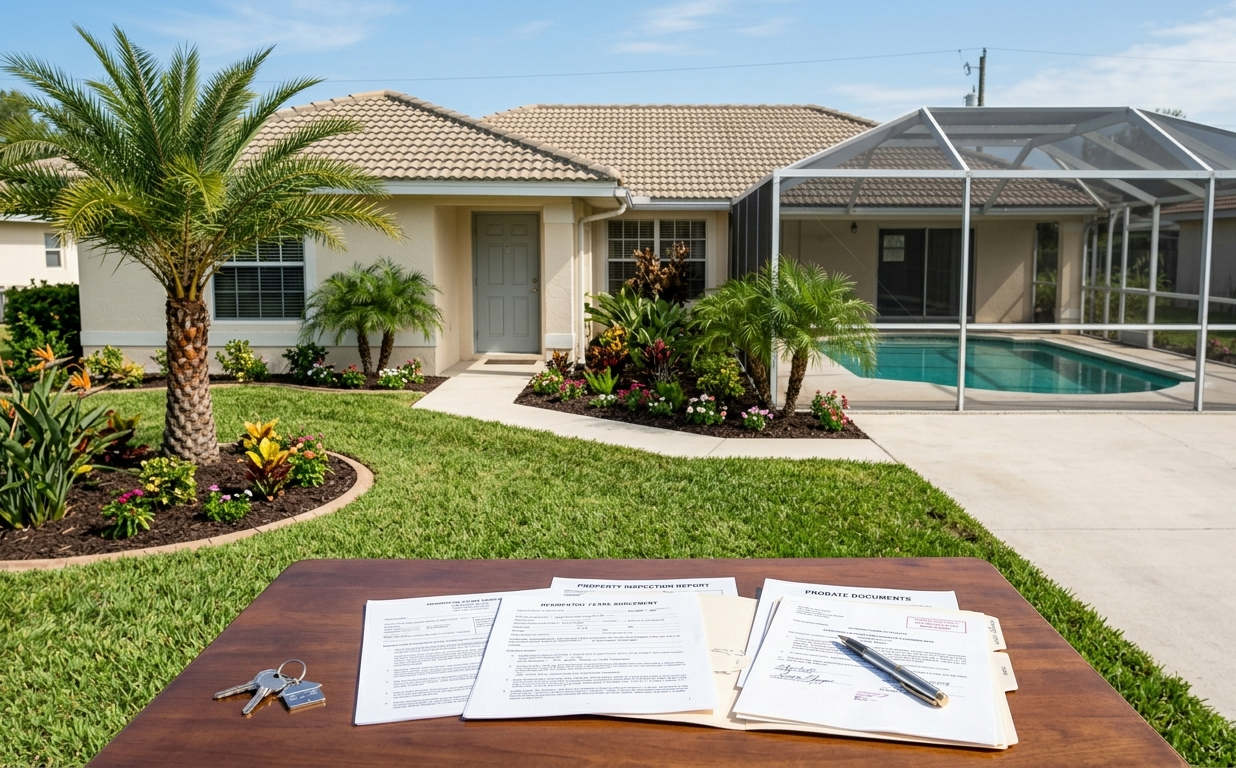
Losing a loved one is an incredibly difficult experience that brings a wave of emotional and logistical challenges. When that loved one leaves behind property in the Sunshine State, the family often finds itself navigating a complex legal landscape known as probate. Understanding how Florida Probate Real Estate Sales work is essential for heirs and personal representatives who want to honor the deceased's wishes while ensuring the property is handled correctly. This process is not just about putting a sign in the yard; it involves court oversight, specific legal filings, and a clear timeline that must be followed to transfer the title to a new owner legally.
In 2026, the Florida market remains a high-demand area, but the legal requirements for selling a home out of an estate have not changed. Probate is the court-supervised process of identifying and gathering the assets of a deceased person, paying their debts, and distributing the remainder to their beneficiaries. When a house is part of those assets, Florida Probate Real Estate Sales require a specialized approach. Whether the property is a beachfront condo in Miami or a family home in Orlando, the goal is to navigate the court system efficiently so the estate can be settled and the family can move forward.
Determining the Type of Probate Needed
The first step in the journey of Florida Probate Real Estate Sales is determining which type of probate administration the estate requires. Florida offers two primary paths: Summary Administration and Formal Administration. Summary Administration is generally faster and is available if the total value of the estate is less than $75,000 or if the decedent has been deceased for more than two years. This is often a preferred route for families dealing with smaller estates because it bypasses some of the more lengthy court requirements.
However, if the estate value exceeds that threshold, you will likely enter Formal Administration. This is the more traditional route for Florida Probate Real Estate Sales. It involves the appointment of a Personal Representative, often called an executor in other states, who is granted the legal authority to act on behalf of the estate. This individual is responsible for managing the property, communicating with the court, and eventually signing the closing documents when a buyer is found. Knowing which path you are on from the very beginning will save you weeks of frustration and potential legal delays.
The Role of the Personal Representative
Once the court opens the probate case, it will issue "Letters of Administration." This document is the golden ticket for Florida Probate Real Estate Sales. It proves to title companies, real estate agents, and potential buyers that the Personal Representative has the legal right to list and sell the property. Without these letters, any contract signed is essentially non-binding because the person signing it does not yet have the legal standing to transfer the deed.
The Personal Representative has a fiduciary duty to the beneficiaries. This means they must act in the best interest of the estate, not their own personal interest. In the context of Florida Probate Real Estate Sales, this usually means getting the highest possible fair market value for the home. It is often wise to seek a professional home value assessment early in the process. Having a documented valuation from a reputable source helps justify the listing price to the court and the heirs, ensuring that everyone is on the same page before the marketing begins.
Is the Property a Homestead?
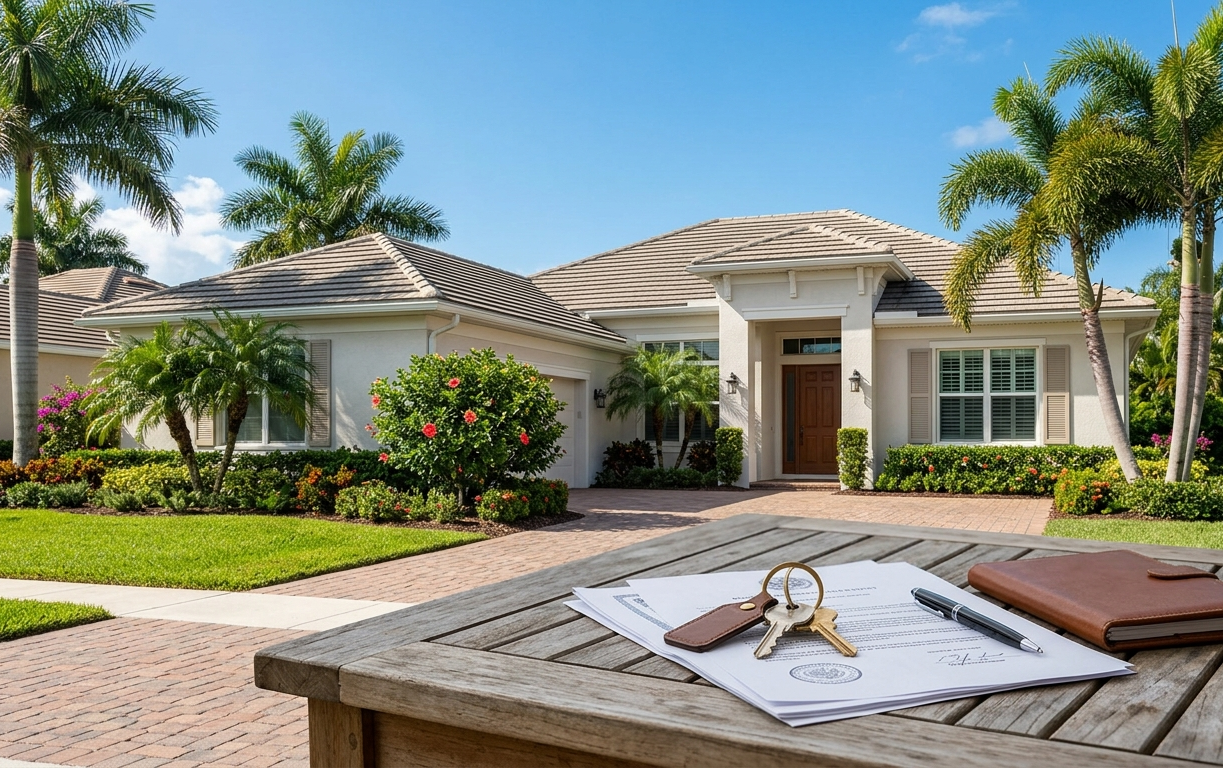
In Florida, the "Homestead" status of a property changes everything. If the deceased person used the home as their primary residence, it is likely considered a protected homestead under the Florida Constitution. This status provides significant protections from creditors, but it also adds a layer of complexity to Florida Probate Real Estate Sales. Homestead property technically passes to the heirs at the moment of death, meaning it is not strictly an asset of the "probate estate" that a Personal Representative can sell to pay off credit card debts or medical bills.
To sell a homestead property, the court must issue an "Order Determining Homestead." This order confirms who the legal heirs are and clears the path for the sale. If the heirs decide to sell, they must all agree and sign the listing agreement and the closing documents. Florida Probate Real Estate Sales involving homestead property can sometimes move faster once this order is in hand, but it requires careful coordination between the probate attorney and the real estate team to ensure the title company is satisfied with the chain of ownership.
Preparing the Property for the Market
Once the legal authority is established, the focus shifts to the physical state of the home. Many probate properties have been lived in for decades and may require some attention to compete in the modern market. When preparing for Florida Probate Real Estate Sales, the Personal Representative must decide whether to sell the home "as-is" or invest estate funds into repairs. While a fresh coat of paint and basic landscaping can increase the price, major renovations might hold up the distribution of assets to the heirs.
Cleaning out a loved one's belongings is often the most emotional part of the process. It is important to handle this with care, ensuring that sentimental items are distributed according to the will before any estate sales or clean-outs occur. For those who are not local, hiring a full-service team can be a lifesaver. A dedicated real estate agent in Florida who understands probate can often recommend vendors who specialize in estate clean-outs and minor repairs, allowing the family to focus on their grieving rather than hauling furniture.
Pricing and Marketing the Probate Home
Pricing is a sensitive subject in Florida Probate Real Estate Sales. Heirs often have different ideas about what the home is worth, sometimes based on memories rather than market data. It is the Personal Representative's job to set a price that is realistic and supported by recent comparable sales. Because probate sales are public record, some buyers may come in with low-ball offers, assuming the family is desperate to sell. A strong marketing strategy is the best defense against this.
A comprehensive marketing plan should include professional photography, virtual tours, and placement on major real estate portals. The goal of Florida Probate Real Estate Sales is to create enough demand that you receive multiple competitive offers. This not only ensures a better financial outcome for the heirs but also demonstrates to the court that the property was exposed to the open market. Transparency is key; keeping a log of all showings and feedback can help the Personal Representative justify their decisions if an heir questions the final sale price later on. To gain a deeper understanding of these market shifts, you can review the official 2026 Florida Realtors market report, which highlights that median home prices have stabilized at $412,000 as the state enters a more balanced phase focused on sustainable growth and increased buyer opportunity.
Navigating the Purchase Contract
When an offer comes in, the Personal Representative must review it carefully. In Florida Probate Real Estate Sales, the contract should ideally include a "Probate Addendum." This clause makes the sale contingent on court approval, protecting the seller in case the judge denies the petition to sell for any reason. It also informs the buyer that the timeline might be slightly different than a standard residential transaction.
Most probate sales in Florida do not require a "Power of Sale" in the will, but if the will explicitly grants this power, the Personal Representative may be able to sell the property without a specific court order for that individual transaction. If the will is silent or there is no will, the attorney must file a "Petition for Order Authorizing Sale of Real Property." This is a standard part of Florida Probate Real Estate Sales where the judge reviews the contract terms to ensure they are fair. Once the judge signs the order, the sale can proceed to closing just like any other home.
The Importance of Title Insurance and Liens
During the escrow period, a title company will perform an exhaustive search of the property’s history. In Florida Probate Real Estate Sales, this search is vital for identifying any outstanding liens, such as unpaid property taxes, utility bills, or even old mortgages that were never properly released. Because the owner is deceased, finding records of these payments can be a challenge for the family.
The probate process itself is designed to "clear" these issues. By publishing a "Notice to Creditors" in a local newspaper, the estate sets a deadline for anyone who thinks they are owed money to come forward. If a creditor misses this window, their claim against the property is usually barred. This is a huge benefit of Florida Probate Real Estate Sales because it gives the buyer a "clean" title, free from the deceased's past debts. Title insurance is always required to protect the new owner and the lender from any claims that might surface in the future.
Closing the Sale and Distributing Proceeds
The closing of Florida Probate Real Estate Sales is the moment when the hard work pays off. The Personal Representative will sign the deed on behalf of the estate. If the property was a homestead, the heirs will also sign. The funds from the sale are usually wired into a specialized "Estate Account" rather than directly to the heirs. This ensures that the money is available to pay for the final expenses of the estate, such as the probate attorney's fees, the final tax return of the decedent, and any court costs.
Once the house is sold and all debts are settled, the attorney will prepare a "Final Accounting." This document shows exactly how much money came in from the sale and how it was spent. After the court approves this accounting, the remaining funds are distributed to the beneficiaries according to the will or Florida’s intestacy laws if there was no will. Completing Florida Probate Real Estate Sales is a major milestone in closing the estate and providing the family with the financial resources left behind by their loved one.
Working with the Right Professionals
You should never try to handle Florida Probate Real Estate Sales alone. This is a specialized niche that requires a trio of experts: a probate attorney, an accountant, and a real estate professional. The attorney handles the court filings and legal strategy, while the accountant ensures that the "death taxes" and final income taxes are handled correctly. The real estate agent is the boots on the ground, managing the property and finding the right buyer.
When choosing your team, look for people who have specific experience in this area. A selling property in Florida expert who has handled dozens of probate cases will know how to communicate with the attorney and how to prepare for the specific requirements of a probate closing. They understand that this is a sensitive time for the family and can provide a level of service that goes beyond a standard transaction. Having the right professionals in your corner makes Florida Probate Real Estate Sales a smooth and predictable process rather than a source of stress.
Timeline Expectations for Probate Sales
One of the most common questions families ask is, "How long will this take?" In Florida Probate Real Estate Sales, the timeline is dictated by the court's schedule and the type of administration. A Summary Administration might be wrapped up in a few months, while a Formal Administration typically takes six to twelve months. However, the property can often be sold while the probate is still ongoing, provided the court has issued the necessary orders.
It is important to manage the heirs' expectations regarding the timeline. Florida Probate Real Estate Sales are rarely "fast cash" situations. The court's primary concern is accuracy and fairness, not speed. Delays can happen if an heir contests the will or if a creditor files a complicated claim. By staying proactive and ensuring all paperwork is filed correctly the first time, your professional team can keep the process moving toward the finish line as quickly as the law allows.
Common Pitfalls to Avoid
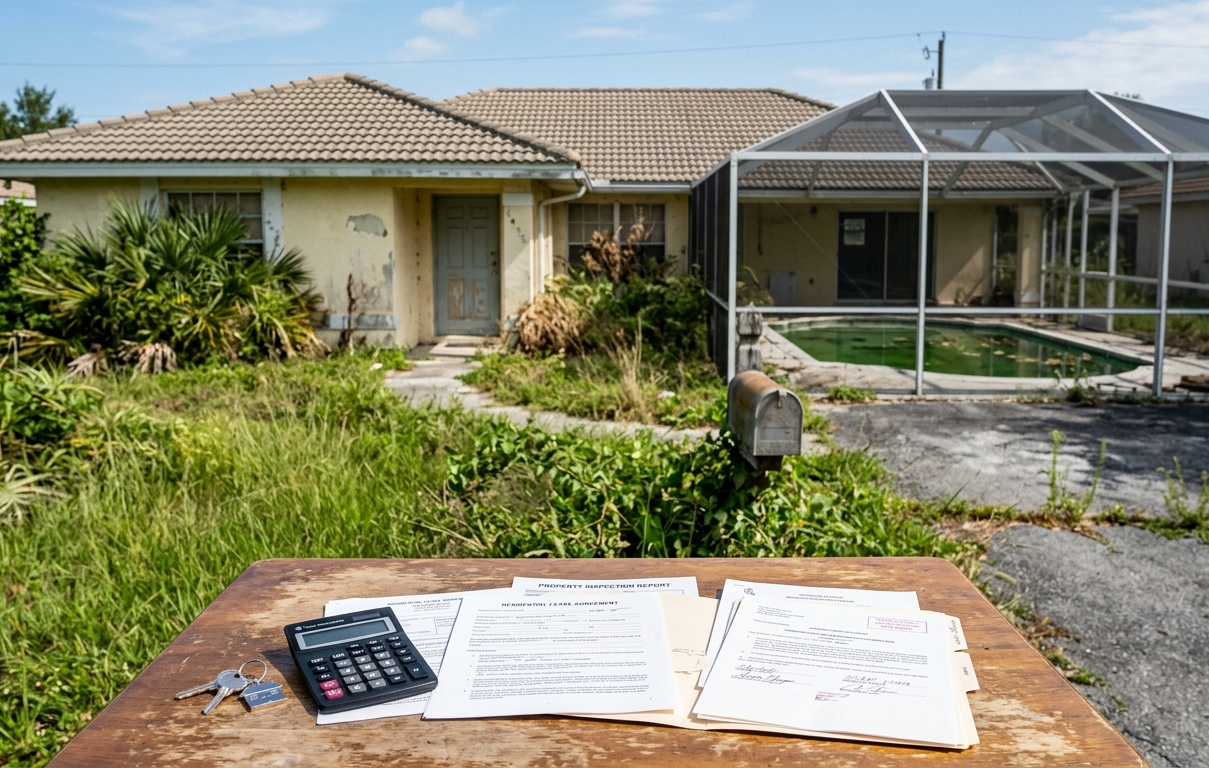
The biggest mistake people make in Florida Probate Real Estate Sales is trying to sell the property before they have the legal authority to do so. Another common error is failing to maintain the property while it sits in probate. If the lawn becomes overgrown or the pool turns green, the value of the home drops, and you may face fines from the local municipality or homeowners association. It is vital to keep the insurance, utilities, and basic maintenance active during the probate period.
Additionally, don't ignore the tax implications. Florida does not have an inheritance tax, but there may be federal estate taxes if the total value of the assets is very high. Furthermore, if the property has appreciated significantly since the date of death, there could be capital gains taxes to consider. Consulting with your team before finalizing Florida Probate Real Estate Sales will help you avoid a surprise bill from the IRS a year after the sale is closed.
Conclusion
Navigating Florida Probate Real Estate Sales is a journey that requires patience, legal precision, and the right support system. While the process can seem daunting at first, breaking it down into manageable steps—from opening the probate case to the final distribution of funds—makes it much more approachable. By focusing on clear communication between heirs and working with professionals who specialize in this field, you can ensure that the transition of the property is handled with the dignity and care it deserves. Florida remains a beautiful place to live, and the demand for quality homes ensures that probate properties can find new families to cherish them. When you successfully complete a probate sale, you are not just closing a transaction; you are completing a vital task for your family and legacy. With the right roadmap, you can turn a complex legal requirement into a smooth transition that honors your loved one’s memory and provides peace of mind for everyone involved.
Frequently Asked Questions
Can I sell the house if the will says it goes to multiple people?
Yes, but everyone named as an heir must typically agree to the sale if it is a homestead property. If it is non-homestead, the Personal Representative usually has the authority to sell it and distribute the cash proceeds instead. Florida Probate Real Estate Sales are a common way to split an inheritance fairly among multiple siblings.
What happens if there is no will?
When someone dies without a will, it is called "intestate." Florida has specific laws that dictate who the heirs are, usually starting with a spouse and children. Florida Probate Real Estate Sales can still happen, but the court will follow the state's hierarchy to decide who gets the proceeds.
Do I have to move to Florida to manage the sale?
No. In 2026, almost all probate court filings and real estate documents can be handled remotely through electronic signatures and video calls. You can manage Florida Probate Real Estate Sales from anywhere in the world as long as you have a trusted local team on the ground to look after the physical property.
Who pays for the repairs and utilities during probate?
These expenses are usually paid by the estate. The Personal Representative can use funds from the deceased's bank accounts to keep the property maintained. If the estate is "cash poor," sometimes the heirs will chip in to cover costs, and they are typically reimbursed from the sale proceeds at closing.
Can a buyer back out if the court takes too long?
Most contracts for Florida Probate Real Estate Sales include a specific timeframe for court approval. If the court takes longer than that, the buyer may have the option to back out, but most buyers who are looking at probate properties understand the timeline and are willing to wait for a clear title.


