
Published March 24, 2026
Florida Waterfront Property Guide: Insurance, Value, and Expert Tips

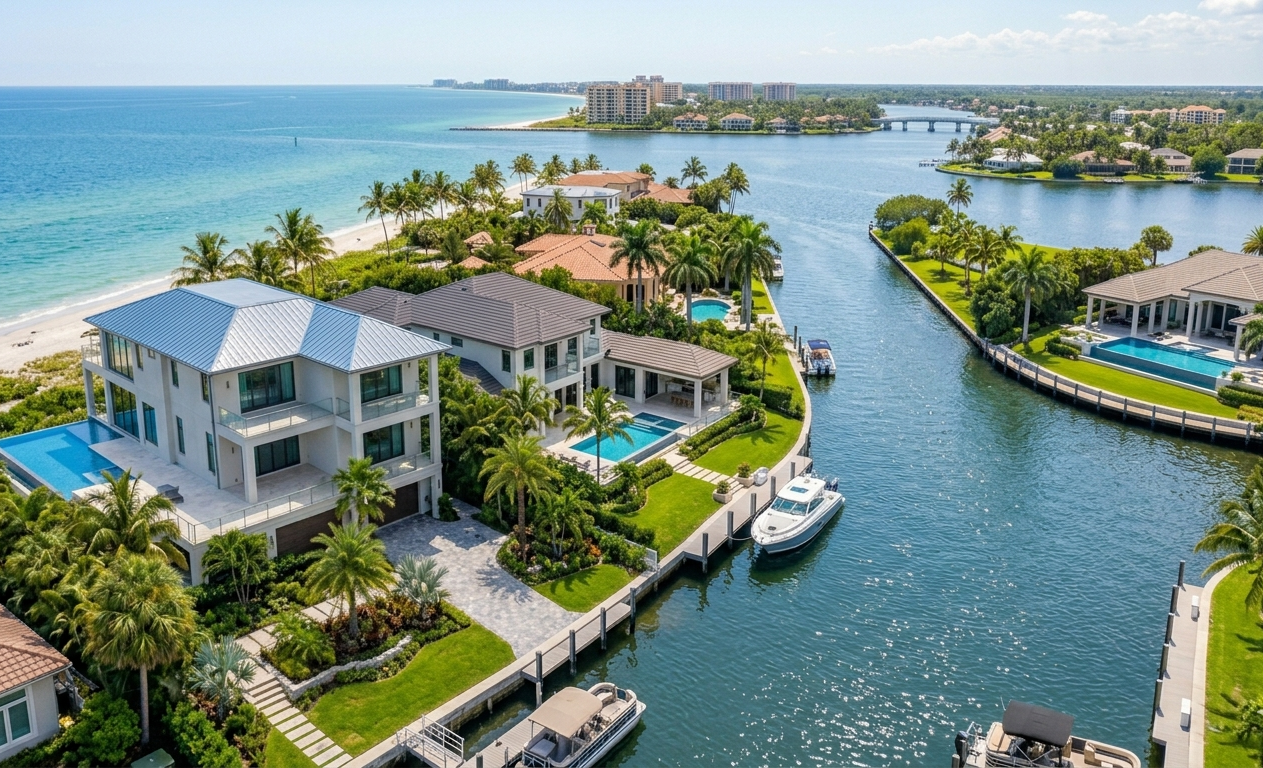
Owning a home where the water meets the shore is the ultimate dream for many people moving to the Sunshine State. Whether it is a quiet canal in a suburban neighborhood or a sprawling estate overlooking the Atlantic Ocean, the allure of the coast is undeniable. However, purchasing coastal real estate involves a unique set of considerations that differ significantly from inland transactions. This Florida waterfront property guide is designed to help you navigate the complexities of maritime lifestyle investments, from understanding environmental risks to maximizing your long term resale value.
In 2026, the market for coastal homes remains highly competitive, driven by a global desire for scenic views and private dockage. While the beauty of the water is the main attraction, the technical side of the purchase requires a disciplined approach. You are not just buying a house; you are buying into an ecosystem that is governed by specific state laws, insurance mandates, and maintenance requirements. By following a comprehensive Florida waterfront property guide, you can ensure that your tropical paradise remains a sound financial asset for years to come.
Understanding the Different Types of Waterfront
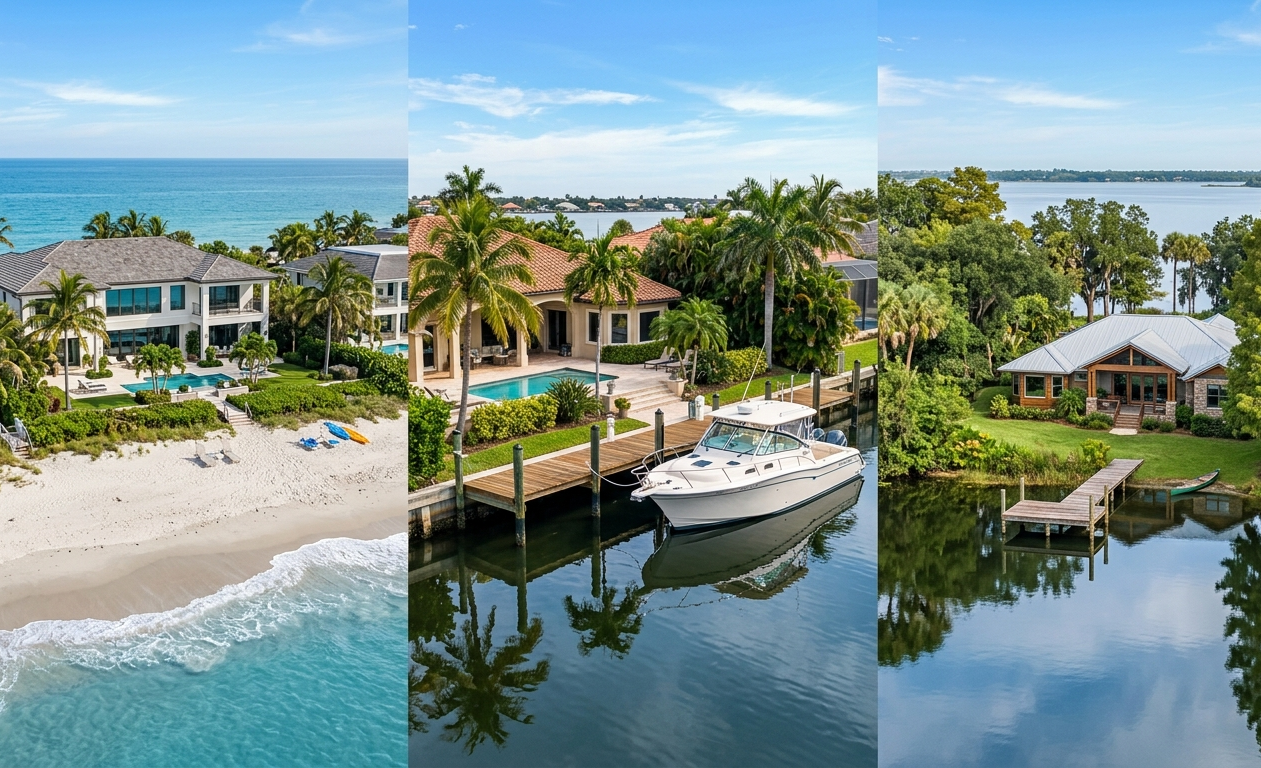
Florida offers a diverse range of water access, and each type comes with its own set of lifestyle pros and cons. Oceanfront homes provide the most dramatic views and direct beach access, but they also face the highest exposure to salt air and high winds. On the other hand, Intracoastal and canal-front properties are often preferred by boaters because they offer more protection from the open sea and allow for private docks.
When you are exploring this Florida waterfront property guide, you should also consider lakefront living. Florida is home to thousands of freshwater lakes that offer a different kind of serenity and are often more affordable than saltwater options. Each water type has different regulations regarding dock construction and shoreline preservation. Identifying which type of water best fits your hobbies, whether it is deep-sea fishing, jet skiing, or simply watching the sunrise, is the first step in narrowing down your search.
The Critical Role of specialized Insurance
One of the most important sections of any Florida waterfront property guide involves insurance. Coastal living requires more than just a standard homeowners policy. You must account for flood insurance, windstorm coverage, and potentially excess flood layers depending on the elevation of the structure. In recent years, the Florida insurance market has undergone significant changes, making it essential to obtain a high-quality elevation certificate before closing on a home.
Flood zones are determined by FEMA, and being in a high-risk zone can significantly impact your monthly carrying costs. It is wise to look for homes built to modern codes with impact-resistant windows and reinforced roofing, as these features can lead to substantial premium credits. If you are calculating your potential expenses, referring to the cost of buying a home in Florida breakdown can help you understand how insurance fits into your overall budget. A well-informed buyer knows that the "sticker price" of a waterfront home is only part of the financial picture.
Evaluating Seawalls and Dockage Requirements
If you are buying on a canal or the Intracoastal, the condition of the seawall is arguably more important than the condition of the kitchen. Replacing a failing seawall can cost tens of thousands of dollars and involves a lengthy permitting process with local and state authorities. To explore more sustainable and cost-effective alternatives, you can read this scientific guide to Florida living shorelines which outlines how natural vegetation and oyster reefs can stabilize your property while protecting the local ecosystem. A thorough Florida waterfront property guide recommends hiring a specialized marine engineer to inspect the cap, the slabs, and the tie-backs of any existing seawall.
Dockage is another major value driver. You need to verify the water depth at low tide to ensure it can accommodate your vessel. Furthermore, check for any "riparian rights" or easements that might restrict your ability to expand a dock or install a boat lift. Some communities have strict rules about the size and height of vessels to protect the views of neighboring residents. Understanding these micro-details is a hallmark of an effective Florida waterfront property guide and prevents expensive surprises after you move in.
Market Trends and Investment Value
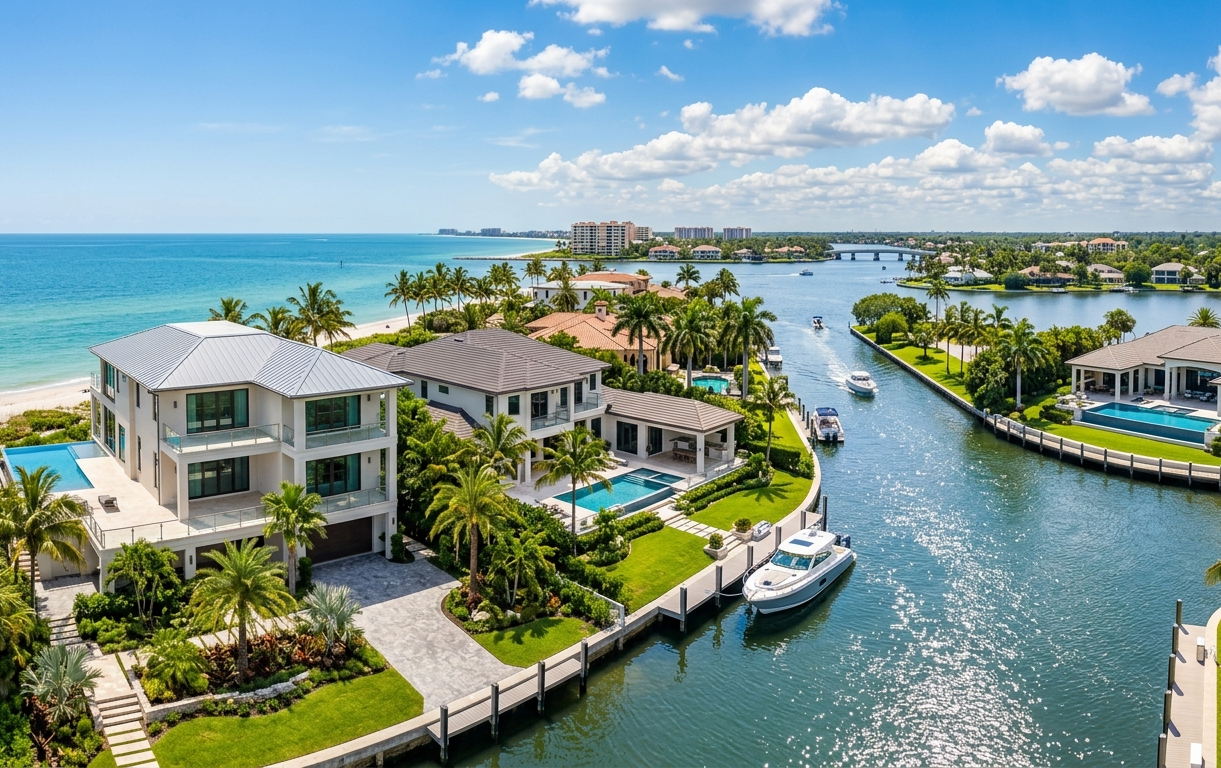
The demand for coastal land is finite, which historically makes it a resilient investment. Even as market cycles fluctuate, the limited supply of buildable waterfront keeps prices stabilized. In 2026, we are seeing a trend where buyers are looking for "high and dry" lots that offer the aesthetic of the water without the immediate concerns of low elevation. This shift is a key update to the modern Florida waterfront property guide, as elevation has become a primary metric for long-term value.
Investors often look at waterfront properties for their high rental potential. Vacationers are willing to pay a premium for a home with a private pool and water views. If you are considering the financial benefits of such an acquisition, reviewing real estate investment benefits can provide clarity on how equity and cash flow work in the Florida market. Waterfront homes often appreciate at a faster rate than inland properties, making them a centerpiece for many luxury portfolios.
Environmental Inspections and Coastal Construction Lines
Building or renovating near the water is governed by the Coastal Construction Control Line (CCCL). This state-mandated boundary protects the beach and dune system from being damaged by construction. Any Florida waterfront property guide should mention that if a home sits seaward of this line, you will face much stricter building requirements, including specific foundation designs and material choices.
Environmental inspections are also necessary to check for protected species or sensitive mangroves. Removing or even trimming mangroves in Florida is strictly regulated and requires specific permits. Violating these environmental laws can result in heavy fines. A seasoned buyer uses a Florida waterfront property guide to stay compliant with the Florida Department of Environmental Protection, ensuring that their landscaping goals do not clash with state conservation efforts.
Lifestyle and Community Selection
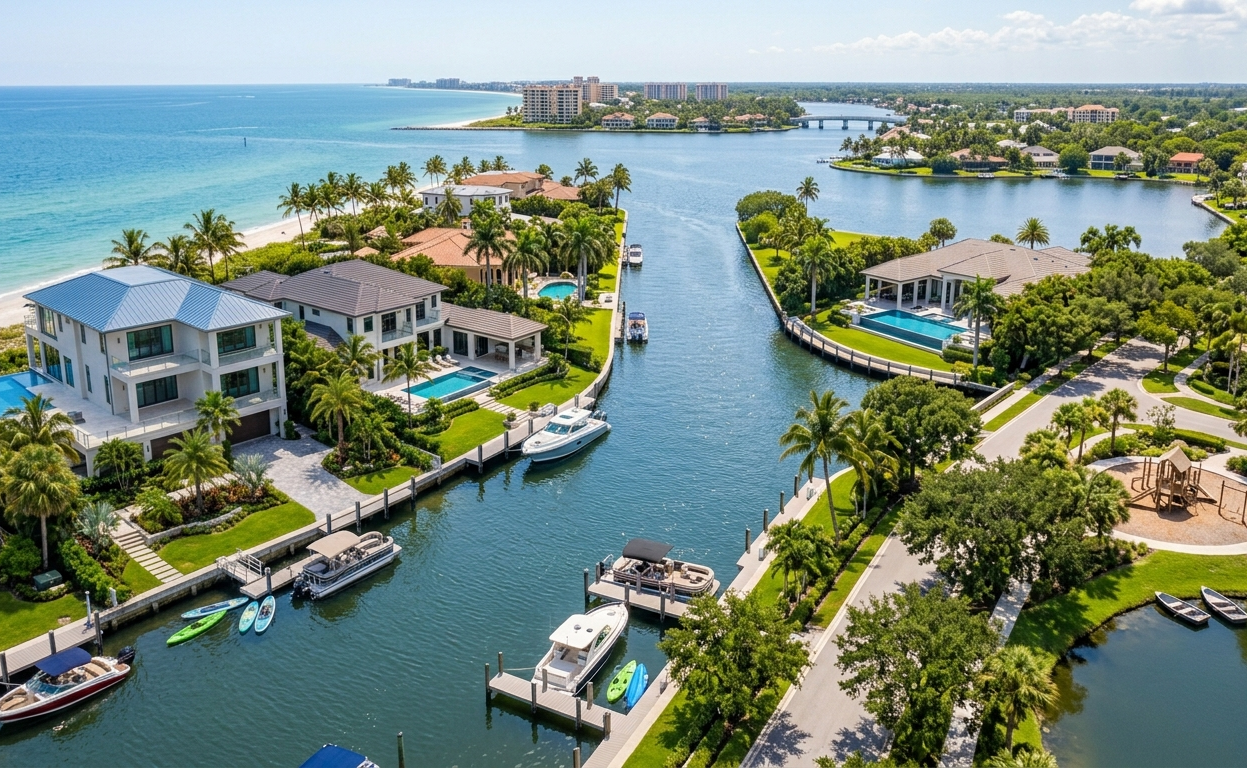
The community you choose will dictate your daily experience just as much as the house itself. Some waterfront neighborhoods are "no-wake zones," which are perfect for paddleboarding and kayaking but might be frustrating for a performance boater. Other areas are geared toward the yachting lifestyle, featuring wide deep-water canals with no fixed bridges to the ocean.
For families, the proximity to top-rated schools and local parks is often a priority. If you are trying to decide which region fits your family best, looking at the best places to live in Florida for families can help you find a balance between coastal luxury and suburban convenience. Every coastal town has a different personality, from the high-energy vibe of Miami Beach to the quiet, historic charm of the Forgotten Coast.
Maintenance and the "Salt Life" Reality
The phrase "salt life" sounds poetic, but it comes with a rigorous maintenance schedule. Salt air is corrosive and can affect everything from your air conditioning condensers to your outdoor lighting fixtures. A practical Florida waterfront property guide must emphasize the importance of using marine-grade materials like stainless steel and high-impact vinyl.
Regularly rinsing your home's exterior and keeping up with paint and sealants will prevent the salt from pitted metal and wood rot. It is also important to maintain the landscaping, as many plants struggle with salt spray. Salt-tolerant species like sea grapes or certain types of palms are essential for a thriving coastal garden. Being proactive about these tasks ensures that the beauty described in this Florida waterfront property guide translates into a stress-free living environment.
The Closing Process for Waterfront Estates
Closing on a waterfront property involves extra steps that inland homes do not require. This often includes a review of the "mean high water line" which determines where your private property ends and state-owned submerged land begins. Your title insurance should be carefully reviewed to ensure there are no hidden maritime liens or issues with dock permits.
As you finalize your plans, remember that the expertise of a local professional is invaluable. A specialized agent can tell you which canals are prone to silt buildup and which bridges are scheduled for repair. A complete Florida waterfront property guide isn't just about the house; it is about the local knowledge that protects your investment. By doing your due diligence and focusing on the technical aspects of the location, you can enjoy the serenity of the water with total peace of mind.
Navigating Local Zoning and HOA Rules
Many waterfront communities are governed by Homeowners Associations (HOAs) that have specific rules regarding what you can park in your driveway or what color your dock can be. Some associations prohibit the parking of boat trailers on the street or in the driveway, requiring you to find off-site storage. In a comprehensive Florida waterfront property guide, checking the CC&Rs (Covenants, Conditions, and Restrictions) is a mandatory step before signing a contract.
Zoning laws also play a role if you plan on adding an accessory dwelling unit or a larger boat house. Some areas are designated as manatee protection zones during certain times of the year, which imposes speed limits on boats to protect the local wildlife. These regulations are a vital part of the Florida waterfront property guide because they impact how you can actually use the water you just paid a premium to access.
Finalizing Your Florida Dream
Transitioning to a coastal lifestyle is a rewarding journey that offers a unique connection to nature. Whether you are fishing off your private pier at sunset or taking the boat out for a Saturday brunch, the benefits of the water are endless. This Florida waterfront property guide has highlighted the technical, financial, and logistical aspects of the move to ensure you are fully prepared.
Florida continues to be a top destination for those seeking a better quality of life. With a booming economy and a favorable tax environment, the coastal real estate market remains a primary target for savvy buyers. By utilizing a Florida waterfront property guide and working with experts who understand the nuances of the shore, you can secure a home that provides both personal joy and long-term financial security. The waves are calling, and with the right preparation, your move to the Florida coast will be the best decision you ever make.
Frequently Asked Questions
What is the most important thing to check when buying a canal home?
The seawall is the most critical structural element. You should check for cracks, leaning, or "sinkholes" behind the wall, as these are signs of failure. Always have a marine contractor perform a specialized inspection.
Do I really need flood insurance if the house is elevated?
Yes, most lenders require flood insurance for any home in a designated high-risk flood zone, regardless of elevation. Even if you pay cash, it is highly recommended to protect your investment from unpredictable surge events.
What are fixed bridges, and why do they matter?
A fixed bridge is a bridge that does not open. If you own a large sailboat or a boat with a high tuna tower, you need to ensure there are no fixed bridges between your dock and the open ocean.
How does salt air affect my home's maintenance?
Salt air can cause metal to rust and wood to weather much faster than inland. You will need to wash your windows and exterior more frequently and use corrosion-resistant materials for all outdoor hardware.
What is an elevation certificate?
An elevation certificate is a document that shows the height of your home relative to the base flood elevation. This is used by insurance companies to determine your flood insurance rates and by local building departments to ensure compliance with codes.
Are there restrictions on removing trees near the water?
Yes, many coastal areas have strict rules about removing native vegetation, especially mangroves. Always check with the local building department or environmental agency before clearing any land near the shoreline.
What are riparian rights?
Riparian rights are the legal rights of owners of land that borders on a body of water. This usually includes the right to access the water and to build a dock, subject to state and local regulations.
Conclusion
Buying a home on the water is a significant milestone that brings a unique set of responsibilities. From the initial search to the final closing, using a Florida waterfront property guide helps you stay focused on the details that matter most. By prioritizing structural integrity, environmental compliance, and proper insurance, you can enjoy the Florida lifestyle to its fullest. The coast offers a sense of peace and adventure that is hard to find anywhere else, and with the right knowledge, your waterfront home will be a source of pride and happiness for many years.


